Is now the right moment to list your Stillwater home? You are not alone in asking. Recent public summaries show prices in the high-400s to low-500s and average days on market around two months, which makes timing and prep matter. In this guide, you will learn what the data suggests, how seasonality affects results, and what to do if your property sits on the St. Croix. Let’s dive in.
Stillwater market snapshot
Recent public reports place Stillwater’s median home price near $482,450 with a median days on market around 58 days, and Washington County close behind at 56 days. In zip code 55082, medians have often trended higher, near $520,000 in some 12‑month windows. Across the county, sale-to-list price ratios have hovered near parity, which signals realistic pricing and steady negotiation. Inventory has firmed from the tightest years, yet remains constrained compared with long-term norms.
What does that mean for you? Homes that present well and are priced with current comps still move, but buyers now have more time to compare. Micro-markets differ. Downtown and riverfront properties often show longer days on market due to smaller, more selective buyer pools, even when prices are higher.
How to read the signals
- Inventory: Lower months’ supply favors sellers. Rising supply gives buyers more options, so pricing and presentation must be dialed in.
- Days on market: A shift from roughly 30–40 days to 50–70 days in some segments means you should expect more showings before offers. Longer timelines for specialty submarkets are normal.
- Price trends: City or county medians are a starting point. For riverfront and historic homes, use 60–120 day sold comps that match frontage, elevation, dock rights, and flood history.
Timing your sale in Stillwater
Mid to late spring is often the strongest window in the Twin Cities region, with many studies pointing to early May as a top performer for price and speed. That spring wave brings more active buyers, but also more competing listings. If you want top dollar and can complete repairs, staging, and professional media, spring can pay off. If you need to move sooner, a well-prepared, fairly priced winter or late-fall listing can still attract motivated buyers.
Riverfront factors that affect value and timing
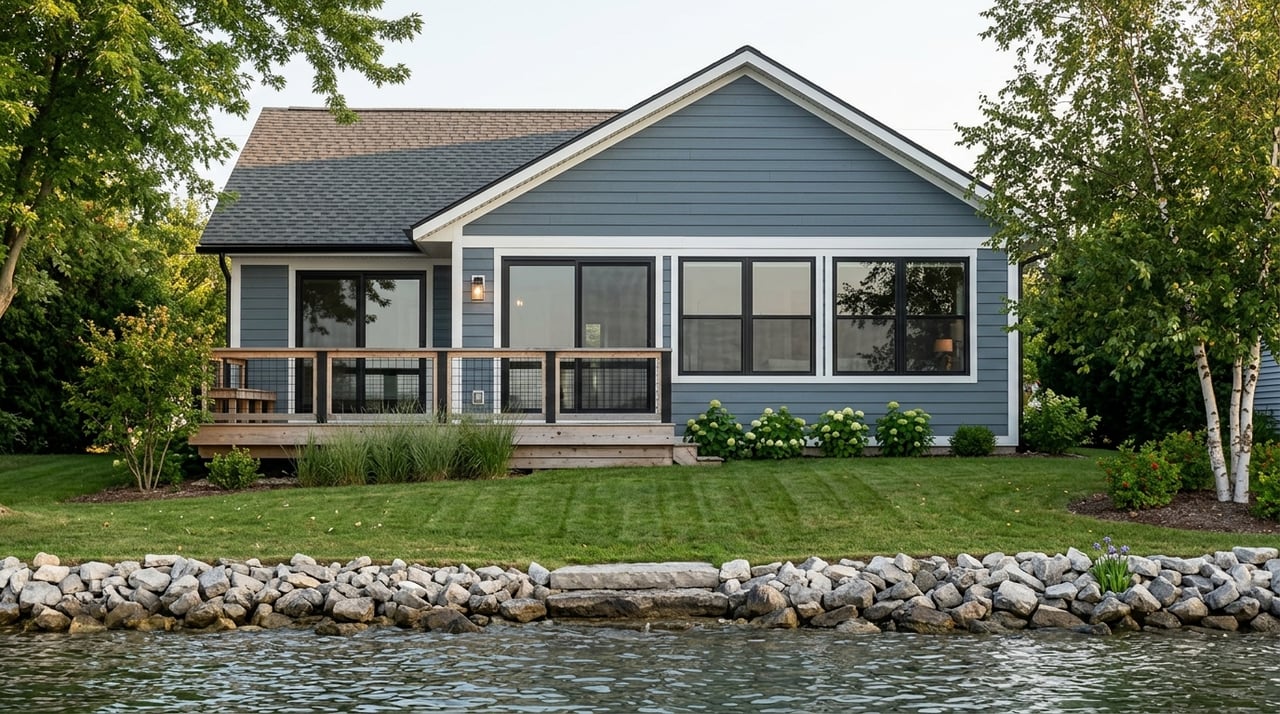
If your Stillwater home touches the St. Croix or sits within a shoreland overlay, plan ahead. These details change buyer questions, insurance, and the paperwork needed at offer time.
Shoreland overlay and local rules
Stillwater’s shoreland management overlay shapes setbacks, lot coverage, and exterior changes for waterfront lots. Gather permits, surveys, and any past approvals so buyers see a clear path to ownership and future plans. You can review a city program reference to the shoreland overlay and design review context through Minnesota GreenStep Cities’ materials on Stillwater’s practices.
- Learn more about Stillwater’s shoreland and related program references: GreenStep Cities action detail
Impervious surface limits
Minnesota shoreland guidance commonly applies a 25 percent impervious surface threshold on many shoreland lots. Know your property’s current impervious percentage and whether any variances exist. This helps buyers understand what is possible on the site.
- Review Minnesota DNR shoreland guidance: MNDNR shoreland bulletin
Flood mapping and insurance
Many riverfront parcels fall within FEMA flood zones. Confirm your parcel’s official status and have any elevation certificate ready. Buyers often ask for these records early, and some lenders require them.
- Check official maps: FEMA Flood Map Service Center
Docks, lifts, and in‑water work
Private docks, boat lifts, and shoreline structures can require city permits and, depending on the work, state or federal approvals. Assemble past permits and maintenance records so buyers can verify compliance.
- Read state guidance on public waters permitting: MNDNR shoreland bulletin
Historic and design overlays
If your property sits near downtown Stillwater’s historic area, some exterior changes may need design review. Disclosing any local landmark or conservation restrictions up front reduces surprises.
- See a city program reference that touches on historic character: GreenStep Cities action detail
Prep checklist before you list
Pull these items together to help your agent price and position your home correctly.
- Title and mortgage payoff details; note any liens.
- Shoreland, dock, bluff, or floodplain permits; surveys that show the ordinary high water level; any elevation certificate. Use the FEMA Flood Map Service Center to verify mapping.
- Records of major repairs or replacements and contractor warranties.
- Seller disclosures. Minnesota law requires written disclosure of material facts that could significantly affect an ordinary buyer’s use or enjoyment of the property. If the home was built before 1978, include federal lead-based paint materials. Review the state requirement here: Minnesota Statutes 513.55
- Utility, tax, HOA, or special assessment information.
- Optional pre-listing inspection, plus targeted checks for septic, shoreline structures, roof, and moisture.
- High-quality exterior, interior, and drone footage for riverfront properties.
Most financed transactions in Minnesota close in about 30–45 days after acceptance. Cash deals can be faster; added contingencies can take longer. For a quick overview of typical closing steps, see this regional title resource: Minnesota home sale FAQs
Strategy to maximize your outcome
- Pricing: Start with a hyper-local CMA. For riverfront, weight frontage, elevation, unobstructed views, dock status, and flood exposure as separate value drivers. Use the 3–5 closest sold comps in the past 60–120 days.
- Marketing: Elevate visuals with high-resolution photography, twilight shoots, aerial video, and floor plans. Feature shoreland compliance, flood mapping or certificates, and recent structural upgrades in your listing copy.
- Buyer confidence: Provide permits, inspections, pump records, and disclosures up front to reduce renegotiations after inspection.
- Negotiation: Expect inspection and appraisal contingencies with financed offers. In tight spring inventory, well-positioned homes can still see multiple offers. Specialized features can increase days to close. Stay flexible and data-driven.
Should you sell this season or wait?
If your home is market-ready and local comps support your target price, listing now can work, especially if inventory near you is limited. If you need time for repairs, staging, or shoreline documentation, plan a prep timeline that puts you into the late spring window. Riverfront homes often benefit from pre-marketing and complete permit packets before day one on the market. The best next step is a current CMA and a plan tailored to your property and timeline.
Ready to talk strategy for your Stillwater home? Connect with the waterfront-focused team at Cascade Group Lakes Sotheby’s International Realty for a thoughtful pricing review and a concierge prep plan.
FAQs
What are Stillwater’s current prices and days on market?
- Recent public summaries show a median price in the high-400s to low-500s and median days on market near two months, with zip 55082 often trending a bit higher.
When is the best time to list a Stillwater home?
- Late April to early May often delivers the strongest price and speed in the Twin Cities region, but your home’s readiness and local competition matter just as much.
How long does a Minnesota home sale usually take to close?
- Expect about 30–45 days from accepted offer to closing in a typical financed deal; cash closings can be faster, while added contingencies can extend timelines. See a helpful overview: Minnesota home sale FAQs
What do I need to disclose about flood risk and docks on the St. Croix?
- You must disclose known material facts, including flood history and dock or shoreline permits; verify mapping at the FEMA Flood Map Service Center and review Minnesota’s disclosure rule: Minnesota Statutes 513.55
Do riverfront rules limit what a buyer can build or pave?
- Yes, shoreland overlays and state guidance often set setbacks and impervious limits, commonly around 25 percent; review guidance and permitting context here: MNDNR shoreland bulletin and GreenStep Cities action detail
Do I need flood insurance to sell a riverfront home?
- You do not need a policy to sell, but buyers and lenders may require proof of insurability or an elevation certificate in mapped flood zones; check your parcel at the FEMA Flood Map Service Center