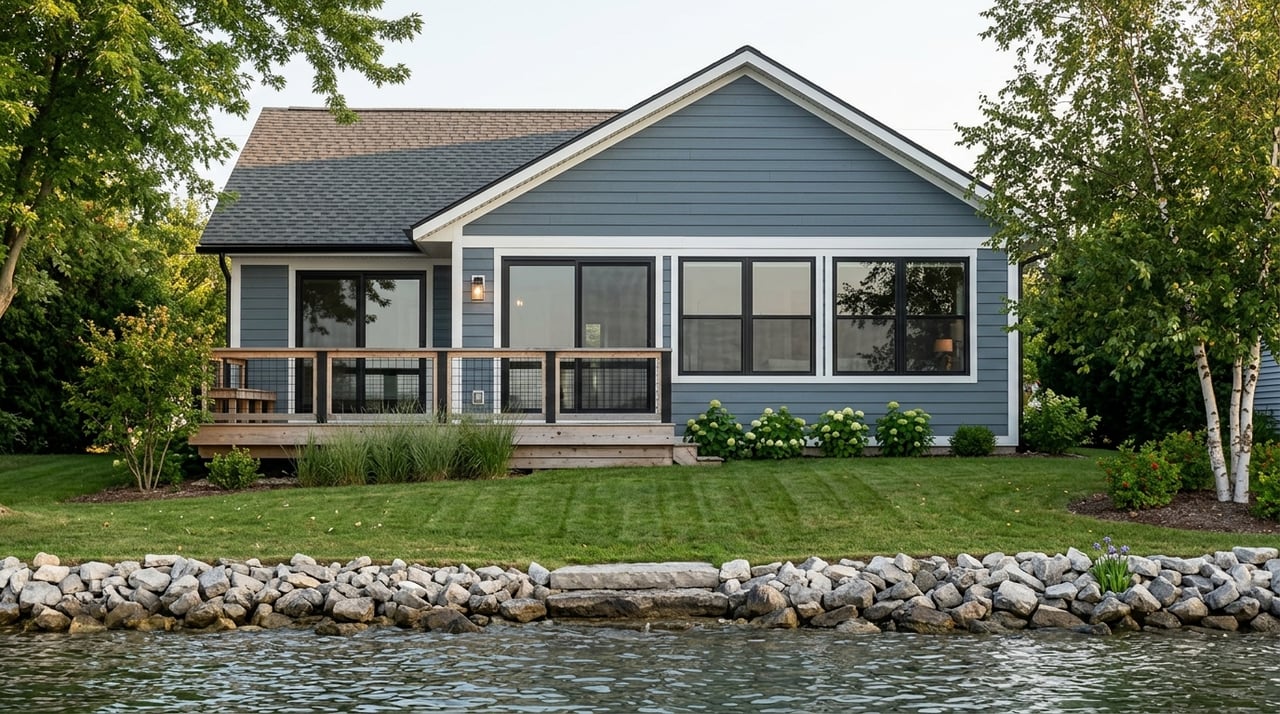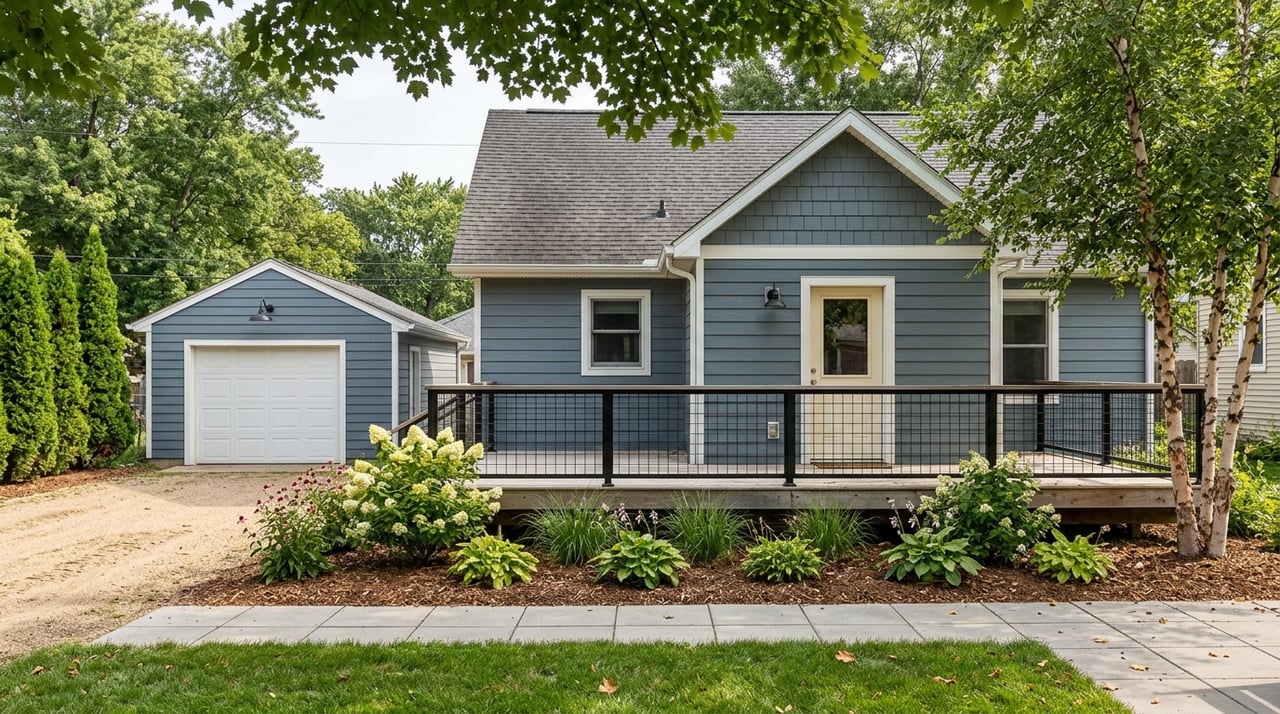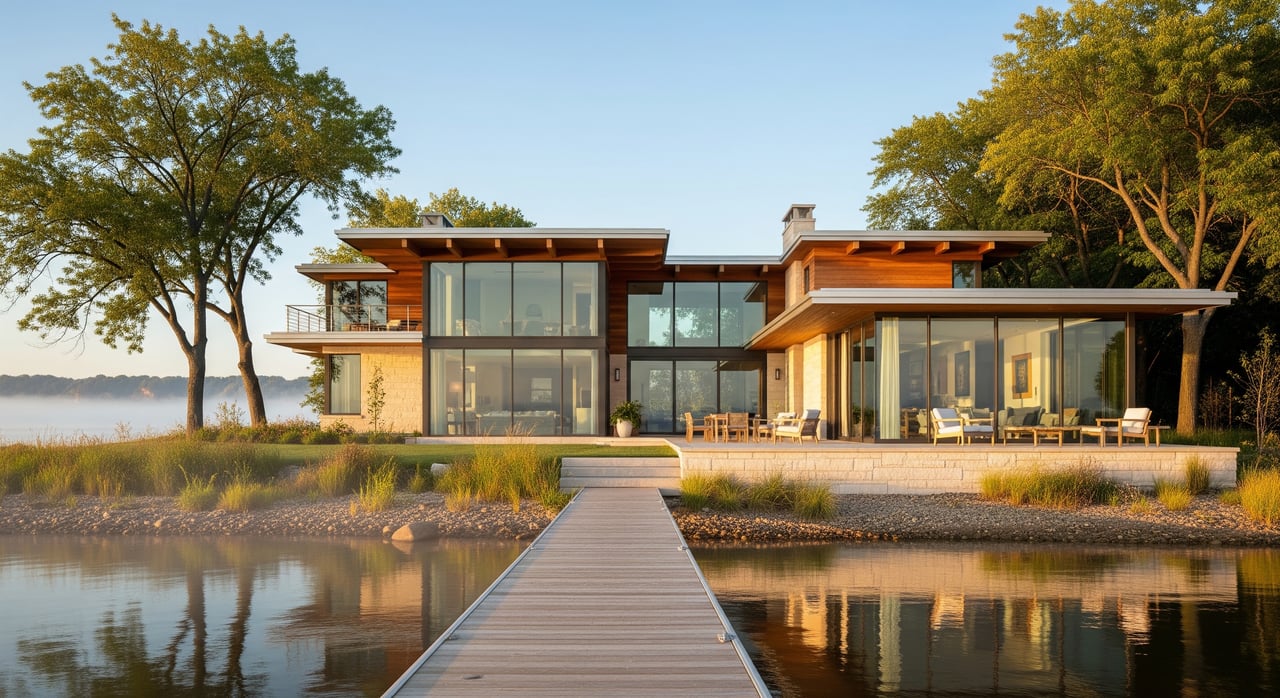
Dreaming of a front-row seat to Lake Pepin sunsets or quiet mornings on the Mississippi? Choosing the right waterfront home in Wabasha takes more than loving a view. You want confidence about shoreline stability, flood risk, docks, septic systems, and what you can legally improve. This guide gives you a clear checklist, local context, and smart questions so you can buy with clarity and enjoy the lifestyle you came for. Let’s dive in.
Know your Wabasha options
Riverfront vs. lakefront
Wabasha sits on the Mississippi River with easy access to lake-like reaches, including Lake Pepin to the south. Riverfront parcels can involve current, navigation channels, and changing water levels that are influenced by locks and dams. Lake-style waters, like Lake Pepin or nearby inland lakes, tend to have broader wave action in wind and different boating patterns. Your boating plans, dock type, and comfort with water level changes should guide which shoreline fits you.
Property types you will see
- Year-round single-family homes on riverfront lots, often older cottages that have been updated.
- Seasonal cabins and smaller second homes geared to boating and weekend use.
- Renovated or newer “lake houses” designed for full-time living and modern comforts.
- Vacant waterfront lots suitable for custom builds, typically subject to shoreland zoning, bluff setbacks, and septic constraints.
- Condos or planned communities with shared shoreline access on certain area lakes.
Define your lifestyle goals
Boating and navigation
Start with your boat. Larger powerboats need deeper water and room to maneuver, while pontoons and fishing boats are more flexible. Ask about no-wake zones, seasonal speed limits, and proximity to commercial navigation channels. Confirm whether a private dock or lift is allowed and appropriate for local depth and currents.
Fishing priorities
The Mississippi River and Lake Pepin support walleye, bass, northern pike, catfish, and panfish. If fishing is central, ask about depths near shore, underwater structure, and typical seasonal clarity. Plan a visit during peak season to gauge conditions and shoreline accessibility for launching smaller craft.
Seasonal use vs. full-time living
For a seasonal or second home, look for easy winterization, simple systems, reliable snow removal, and possible association support for shared areas or docks. For full-time living, prioritize insulation, dependable heating, utilities and internet, and resilience to seasonal shifts like high water or ice. Clarify access during winter and where you will store a boat off-season.
Low-maintenance wishes
If you want low upkeep, favor parcels with native shoreline buffers, stabilized banks, and modest dock systems that can be installed and removed efficiently. A garage or indoor boat storage is a plus, and nearby commercial winter storage can simplify your routine. Smaller lots or association settings can reduce yard and shoreline chores.
Evaluate the shoreline and site
Shoreline type and bluffs
Shoreline form affects maintenance and what work is permitted. You will see natural vegetated banks, riprap, seawalls, older boathouses, and bluff lots. Bluffs in particular require special review for stability and setbacks under Minnesota shoreland and bluff protection rules. Know the Ordinary High Water line, since ownership and jurisdiction often change at that mark.
Flood risk and water levels
Some riverfront parcels lie in FEMA flood zones. Water levels on the Mississippi are managed by locks and dams, yet spring freshets and storms can raise levels quickly. Review FEMA mapping, county flood history, and the seller’s past flood claims and photos. If the property is in a high-risk zone, expect flood insurance requirements and ask for an elevation certificate to estimate premiums.
Erosion and shoreline stability
Wind-driven waves, boat wakes, ice shove in spring, and runoff can cause erosion. Look for signs of active undercutting, slumping, or repeated riprap repairs. Shoreline stabilization methods, including bioengineering, retaining walls, or rock, often require permits. A shoreline assessment is worthwhile if you see concerns or plan changes.
Water quality and invasive species
Lake Pepin and river reaches can experience turbidity and periodic algal blooms influenced by sediment and nutrients. Water clarity and algae affect swimming and aesthetics, especially mid-summer. Check for aquatic invasive species such as zebra mussels or Eurasian watermilfoil, since they change boating and shoreline conditions and may require extra care when moving watercraft.
Winter and ice conditions
Ice thickness and timing vary year to year. Ice heave can damage docks and shoreline structures, and removal windows for docks are seasonal. If you plan to use the home year-round, ask about winter access, plowing arrangements, and typical ice-related wear on docks or lifts.
Inspect systems and infrastructure
Septic and well
Many waterfront homes rely on private wells and septic. Ask for the septic system’s age and type, the most recent pump and inspection records, and distance to the high-water table. Order a septic inspection and dye test when applicable. For wells, request recent water test results for bacteria, nitrates, and other contaminants, and confirm well logs.
Docks, lifts, and moorings
Clarify who owns the dock, lift, and any boathouse. Verify permits and approvals for existing structures and ask about maintenance routines, winterization, and insurance coverage. Some owners share docks, use riparian easements, or lease dock space on submerged land. Know what is allowed on your specific shoreline.
Zoning, permits, and shoreland rules
Shoreland zoning sets setbacks, vegetation rules, impervious limits, and bluff protections. City and county ordinances may add requirements. Expect permits for additions, shoreline stabilization, and docks, and understand any variance history. If you plan changes, your future project scope should be confirmed before you close.
Boundaries and easements
Get a current survey and confirm riparian rights. Determine if the seller owns to the water’s edge, what happens below the Ordinary High Water line, and whether there are utility easements or shared agreements. Identify any public access points nearby and review shared driveway or dock documents.
Insurance and taxes
Budget for potentially higher homeowners premiums on waterfront due to wind, water, and dock exposure. If the property sits in a floodplain, flood insurance costs can be significant and vary by elevation. Confirm the current property tax classification, since seasonal and homestead statuses can change your assessment and benefits.
Title and disclosures
Ask for past flood claims, shoreline permits, and any failed septic history. Review recorded easements, covenants, and association rules if present. Title insurance with a thorough search helps surface old shoreline structures, prior claims, or encroachments that could limit your plans.
Smart timing and viewing tips
Visit across seasons
If possible, tour in both high and low water seasons. Spring and early summer reveal flooding, algae, and erosion patterns that you may not see later. In fall, you can assess dock removal logistics and winter access.
What to bring and observe
- Photos or maps marking the Ordinary High Water line and setbacks.
- Notes on shoreline condition, bank slope, and vegetation.
- Dock depth, lift capacity, and access path condition.
- Road access, snow storage areas, and plow turnaround options.
- Noise, wake patterns, and boat traffic at different times of day.
Due diligence checklist
- Legal description and recent survey, including setbacks and the Ordinary High Water reference.
- FEMA flood zone, elevation certificate, and seller’s flood history with photos.
- Septic system type, age, pump and inspection records, and soil limitations.
- Private well water test results and well log.
- Dock, lift, and boathouse permits, ownership, and maintenance agreements.
- Shoreline stabilization history and permits for riprap or seawalls.
- Property tax history and current classification, plus special assessments.
- HOA or shared access rules, covenants, and recorded easements.
- Known aquatic invasive species presence and typical seasonal algae conditions.
Local resources to contact
- Wabasha County Environmental Services and Zoning for shoreland rules, septic transfer, and permits.
- City of Wabasha for local utilities, zoning, and ordinances.
- Minnesota Department of Natural Resources for shoreland regulations, boating, AIS, and fishing.
- Minnesota Pollution Control Agency for water quality and harmful algal bloom alerts.
- FEMA Flood Map Service Center for flood zone mapping and Base Flood Elevations.
- U.S. Army Corps of Engineers, St. Paul District, for navigation and Mississippi River procedures.
- Minnesota Department of Health for private well testing guidelines.
- University of Minnesota Extension for shoreline management best practices.
Your next step
The right Wabasha lake home balances lifestyle goals with on-the-ground realities like flood risk, shoreline stability, docks, septic, and permits. When you match the waterbody to your boating and fishing plans, confirm systems and rights, and time your visits well, you set yourself up for years of easy enjoyment. If you want a local, concierge-style partner to guide the process, connect with Cascade Group Lakes Sotheby’s International Realty to schedule a consultation and start your search with confidence.
FAQs
What makes Wabasha riverfront different from lakefront?
- Riverfront can involve current, navigation channels, and water level variability, while lake-style waters like Lake Pepin have broader wave action and different boating patterns.
How do I check flood risk for a Wabasha waterfront home?
- Review FEMA flood maps, request an elevation certificate, and ask the seller for flood claim history and photos, then consult county records for documented events.
What inspections are essential for Wabasha waterfront properties?
- Order a full home inspection, septic inspection and dye test if applicable, private well water analysis, an elevation certificate if in a flood zone, and a shoreline or bluff assessment.
Can I add or change a dock on the Mississippi or Lake Pepin?
- Verify county and state shoreland rules, Minnesota DNR requirements, possible Corps of Engineers review, and any HOA documents, then confirm permits for your specific shoreline.
How do invasive species and algae affect my use of the water?
- Species like zebra mussels and Eurasian watermilfoil can influence boating and shoreline care, while periodic algal blooms affect swimming and clarity during warm months.
What should a seasonal owner prioritize in Wabasha?
- Look for easy winterization, reliable snow removal, simple systems, and clear plans for dock removal and boat storage to reduce off-season workload.
How do property taxes and insurance differ for waterfront homes?
- Waterfront homes can carry higher homeowners premiums due to exposure, flood insurance may be required in mapped zones, and tax classification varies by primary vs. seasonal use.