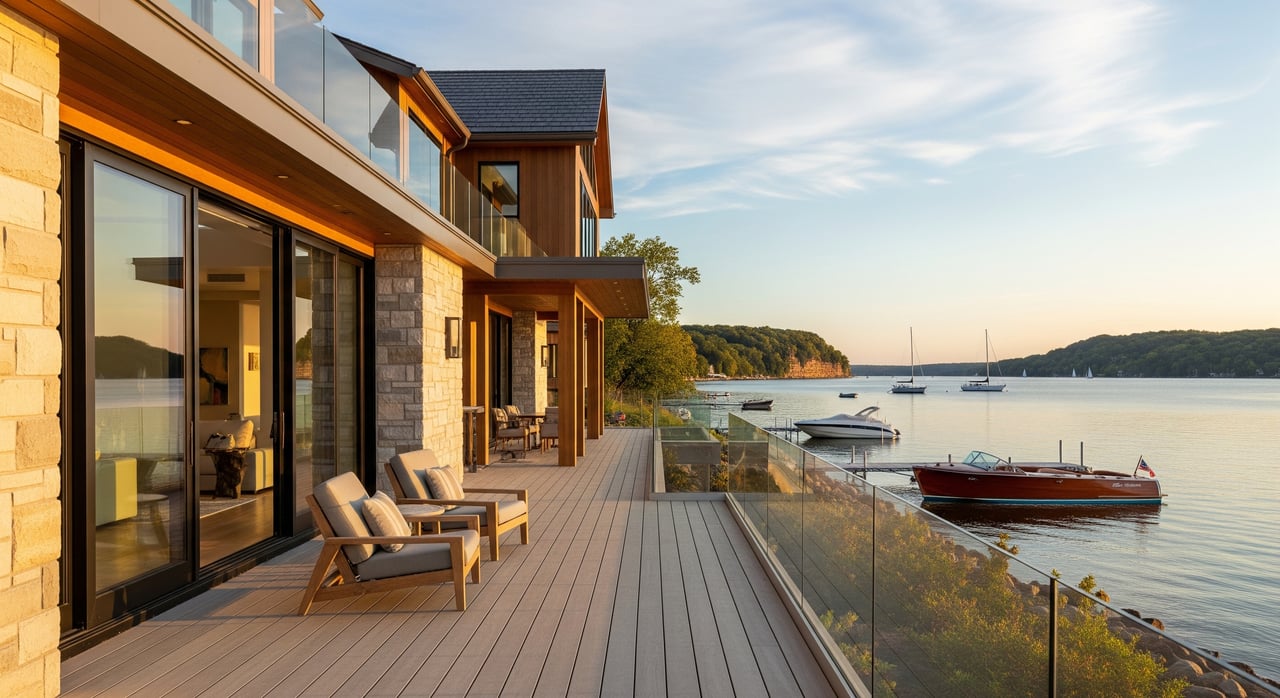
Ever wonder what it feels like to wake up where the Mississippi River widens into a shimmering inland sea? In Lake City, life revolves around Lake Pepin, a walkable downtown, and a pace that shifts with the seasons. If you’re picturing marina mornings, sunset strolls, and a small-town community, you’re in the right place. This guide walks you through daily life, neighborhoods, seasons, and practical tips for buying a home here so you can decide if Lake City fits your lifestyle. Let’s dive in.
Lake City at a glance
Lake City sits on the Lake Pepin corridor in Wabasha County, where boating, fishing, and waterfront parks shape the town’s identity. You’ll meet year-round locals, seasonal second-home owners, and retirees who all value easy lake access and a friendly, compact downtown.
The local economy blends tourism and hospitality, marina services, small businesses, public-sector jobs, health care, and nearby agriculture. Many residents commute to larger job centers or work remotely. If you want a deeper look at regional industries and trends, explore Minnesota’s labor insights through the Minnesota Department of Employment and Economic Development.
Lake City is a small municipality with a population in the single-digit thousands. For current population and household figures, use the U.S. Census Bureau’s QuickFacts portal.
Neighborhoods and homes
From historic streets near the water to newer homes on the edge of town, you’ll find a range of options that support a lake-forward lifestyle.
Waterfront and marina life
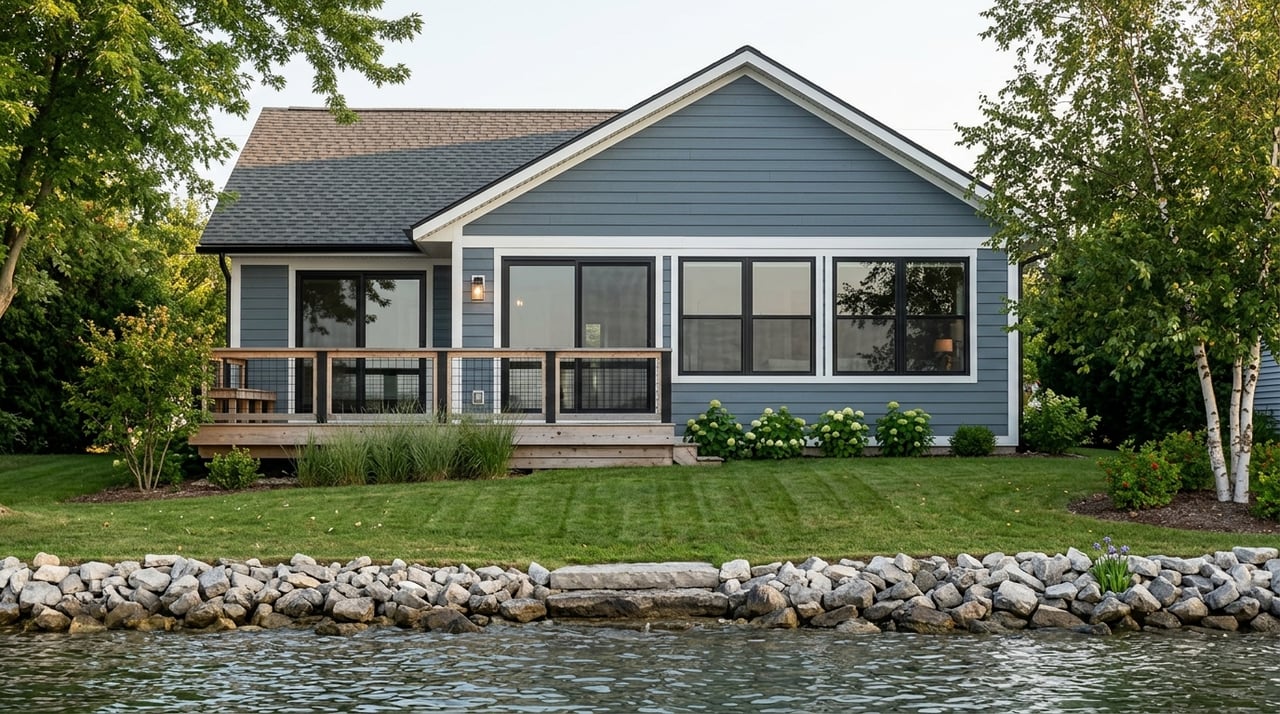
Lakefront homes and seasonal cottages are the dream for many buyers here. Expect strong demand and higher prices compared with inland properties, especially among boaters and second-home buyers from the Twin Cities or Rochester. Marina access, dockage, and views are the premium features.
Historic downtown blocks
Just off the waterfront, tree-lined streets and historic homes create a charming residential core. You can often walk or bike to cafés, shops, and the lake. Inventory can be limited, so staying flexible on timing and criteria helps.
Outskirts and newer builds
On the town’s edges, you’ll see newer homes and small subdivisions. There are fewer condos and apartments than in larger cities, though short-term rentals appear in peak summer months. If you’re considering investment use, confirm any HOA or city rules before you purchase.
What to know before you buy
Before you make an offer, factor in a few lake-specific details:
- Shoreland rules: Minnesota’s shoreland zoning influences setbacks, vegetation removal, and docks. Review state guidance and ask about existing permits. Start with the DNR’s shoreland management overview.
- Septic and wells: Some properties use private systems. Build in time and budget for inspections, upgrades, or replacement if needed.
- Flood risk: Parts of the river corridor fall within mapped floodplains. Check FEMA’s Flood Map Service Center and your lender’s requirements.
- Seasonal upkeep: Docks, seawalls, and winterization add maintenance. Plan ahead for off-season storage and service scheduling.
- Short-term rentals: Rules vary. Confirm local zoning and licensing with the city planning office before relying on rental income.
Everyday life and amenities
You’ll feel the small-town rhythm right away, with daily needs close at hand and bigger-city options within easy driving distance.
Walkable downtown essentials
Downtown is compact and easy to navigate. You’ll find cafés, restaurants, service businesses, and marina-support shops, along with at least one grocery store in town. For specialty retailers or a broader selection, most people make quick trips to nearby regional centers.
Marina culture and access
Summer centers on the harbor and waterfront parks. Whether you boat, sail, paddle, or prefer a bench at sunset, public launches and green spaces make the lake feel accessible. Marina services support moorage, fuel, maintenance, and winter storage.
Schools and healthcare basics
Lake City’s public schools serve K–12 students locally. For performance and enrollment data, visit the state’s Minnesota Report Card. Primary care and clinics are available in or near town. For specialty care and major hospitals, Rochester is the key regional hub.
Getting around
Lake City offers scenic drives and straightforward regional access, which is helpful if you commute or travel often.
Regional connections
U.S. Highway 61 runs along the river, linking Lake City to neighboring towns and regional routes. Plan on roughly 1 to 1.5 hours to major hubs like Rochester and the Twin Cities, and typically under an hour to Red Wing or Winona. For traffic and road updates, check MnDOT’s traveler information.
Rail and air options
Passenger rail via the Amtrak Empire Builder serves nearby river towns such as Red Wing and Winona. Review schedules and stations on the Amtrak Empire Builder route page. The closest full-service commercial airport is MSP in the Twin Cities, with regional flights from Rochester International.
Remote work and broadband
Basic utilities are available in town, while broadband quality can vary by street and surrounding rural areas. If you plan to work remotely, verify providers, speeds, and coverage for the specific address during your due diligence.
Four seasons on Lake Pepin
Lake City’s year unfolds in four distinct acts. Plan your activities and home maintenance around the rhythm of each season.
Spring: launch and shoulder season
As ice recedes, boat ramps open and the shoreline comes alive. Water levels can be variable. Early-season anglers and cyclists enjoy fewer crowds, and community events start to ramp back up.
Summer: high season on the water
This is the classic Lake Pepin experience. Expect busy marinas, outdoor dining, and festivals, with residents and visitors mixing along the waterfront. Book services and moorage early due to peak demand.
Fall: color and quieter pace
Leaf season along the river bluffs is a standout. Cooler temperatures bring ideal conditions for hiking, cycling, and fishing. Town life takes on a relaxed, shoulder-season feel.
Winter: snow, ice, and cozy days
Snow, ice fishing, and snowmobiling define winter fun, alongside community gatherings and indoor pursuits. Always follow local guidance on ice safety before heading onto the lake.
Recreation highlights
Whether you prefer powerboats, paddleboards, or trail time, you’ll find your groove.
On the water
Lake Pepin supports sailing, powerboating, paddling, and fishing for species common to the Mississippi-lake system, including walleye, bass, and panfish. For seasons, licenses, and regulations, start with the Minnesota DNR’s fishing information hub.
On the land
Bluff and river trails, local parks, and nearby state parks offer hiking, biking, birdwatching, and big-sky overlooks. The Mississippi Flyway brings notable migration viewing, including waterfowl and raptors. Cyclists often time rides for spring and fall shoulder seasons.
Is Lake City a fit?
Lake City works best if you want daily access to lake life, a small-town downtown, and a seasonal rhythm that leans lively in summer and peaceful in winter. You’ll appreciate being close to the water, local businesses, and scenic routes.
Potential tradeoffs include fewer year-round retail and cultural options compared with larger metros, limited condo inventory, and added ownership considerations for waterfront homes. If your lifestyle depends on frequent metro commutes or comprehensive public transit, build that into your decision. For data-driven context on the region’s economy and demographics, consult DEED’s resources and the Census QuickFacts.
Work with a local guide
If Lake City is calling, partnering with a team that lives and works on the Lake Pepin corridor makes your move smoother. Our concierge approach helps you compare neighborhoods, understand shoreland and floodplain considerations, and line up trusted local inspectors, marina contacts, and service providers. When you are ready to explore homes or talk strategy, connect with Cascade Group Lakes Sotheby’s International Realty for a friendly, pressure-free consultation.
FAQs
How walkable is downtown Lake City to the lake?
- Downtown is compact, and many streets connect directly to waterfront parks and the marina area, making it easy to walk or bike between shops, cafés, and the shoreline.
Is there public boat access on Lake Pepin in Lake City?
- Yes. Public launches and waterfront parks provide access for non-boat owners, while marinas offer services like moorage, fuel, maintenance, and winter storage.
What are typical commute times to Rochester and the Twin Cities from Lake City?
- Plan for roughly 1 to 1.5 hours depending on destination, weather, and traffic; check real-time conditions and routes through MnDOT traveler info.
Do Lake City lakefront homes require flood insurance?
- It depends on the property’s floodplain designation and lender requirements; confirm using FEMA’s Flood Map Service Center and review details with your insurance agent and lender.
Where can I review local public school data for Lake City?
- The Minnesota Department of Education publishes objective information on the Minnesota Report Card, including enrollment, programs, and performance metrics.
Are short-term rentals allowed in Lake City?
- Rules vary by zoning district and any applicable HOAs; verify current city ordinances and permit requirements with the planning department before purchasing for STR use.
Is broadband reliable enough for remote work in Lake City?
- Many in-town addresses have solid service, though speeds and providers vary by street and surrounding rural areas; verify coverage and speed tests for the exact property during due diligence.