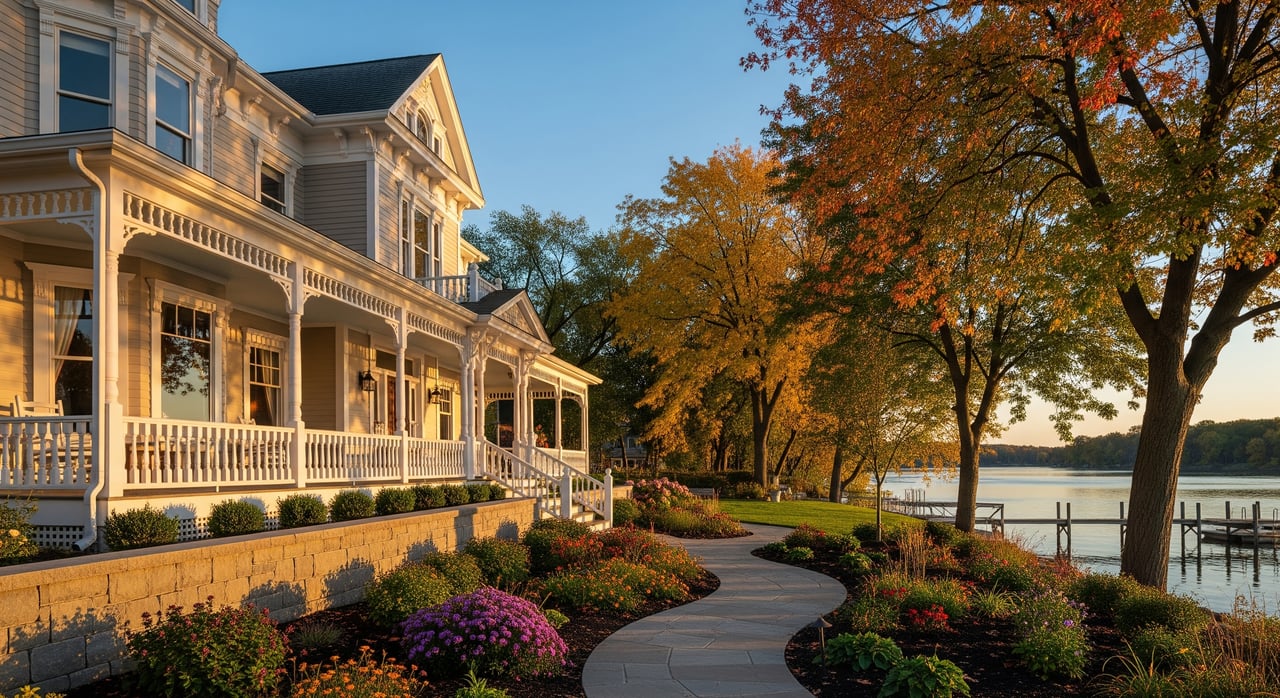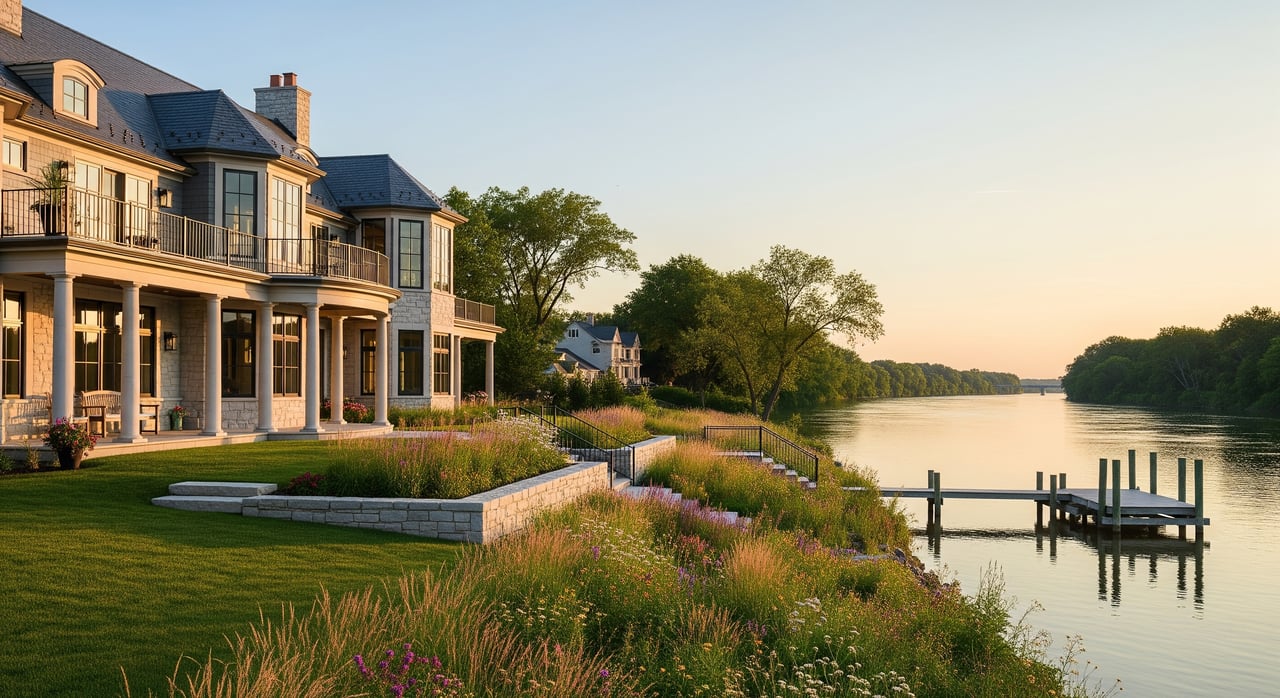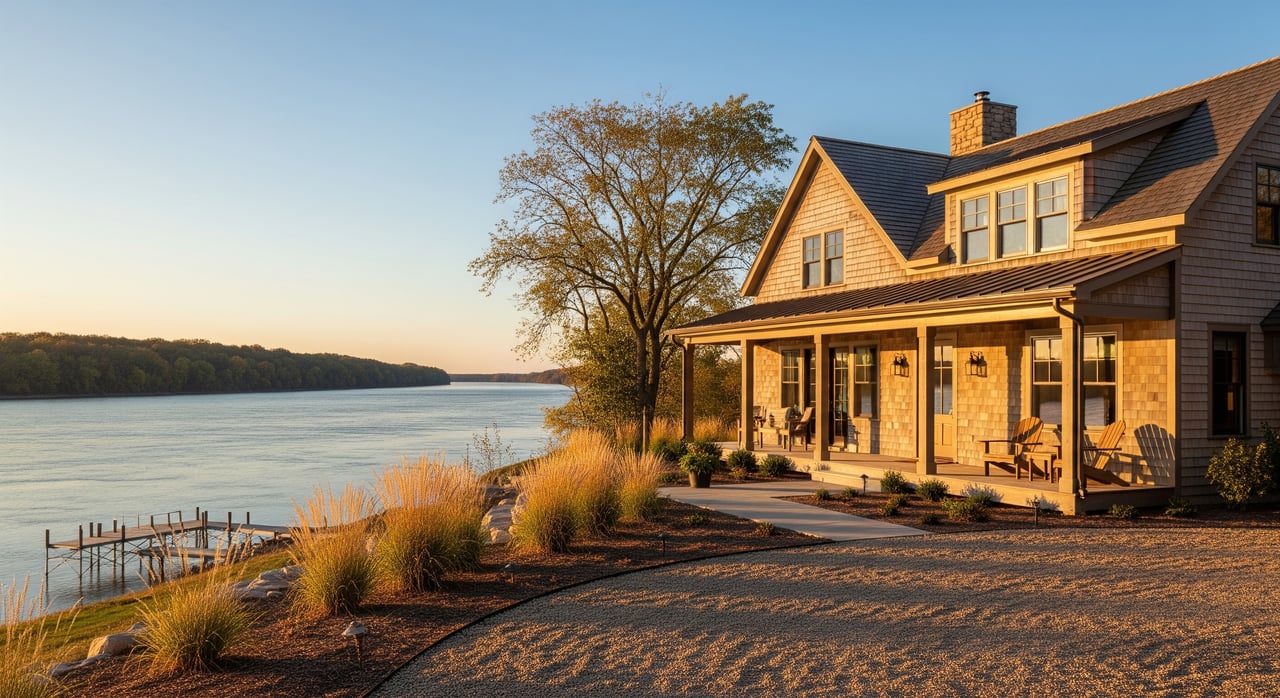
Dreaming about a Lake Pepin cabin where you can watch the river roll by on weekends? You are not alone. Many buyers look to Wabasha for a simple second home that offers boating, eagle watching, and a slower pace. The financing side can feel less simple. In this guide, you will learn what counts as a second home, your loan options, what lenders expect, and how waterfront details like flood zones and septic systems affect approval. Let’s dive in.
Second home vs. investment property
Getting the classification right is step one. A true second home is a place you occupy part of the year and do not use primarily as a rental. Lenders view second homes more conservatively than a primary residence but more favorably than an investment property. If you plan to offer frequent short‑term rentals, many lenders will classify the home as an investment property, which usually means a bigger down payment and a higher rate.
Why it matters: occupancy determines which loan programs you can use, minimum down payment, reserve requirements, and pricing. Conventional programs from Fannie Mae’s Selling Guide and Freddie Mac’s Guide outline second‑home standards and underwriting rules that most lenders follow.
Your loan options in Wabasha
Conventional conforming loans
For most buyers, a conventional conforming mortgage is the primary path. Conforming loan limits are set by county and change annually. Before you shop, confirm the current limit for Wabasha County using the FHFA conforming loan limits map. Many lenders allow second‑home purchases with around 10 percent down on conforming‑sized loans. If you put less than 20 percent down, you will typically pay private mortgage insurance until you reach 20 percent equity.
Jumbo and portfolio loans
If the price pushes you above the conforming limit, you will need a jumbo loan. Jumbo programs have tighter rules on credit, reserves, and down payment. Many lenders prefer 20 percent down for higher‑risk waterfront or flood‑exposed properties. Local portfolio lenders and credit unions in Minnesota sometimes offer vacation‑home products with flexible underwriting for unique cabins or nonstandard income profiles.
Government loans at a glance
FHA, VA, and USDA programs are generally limited to primary residences. That means most second‑home purchases will not qualify under these programs. If you plan to make the Wabasha property your primary residence, talk with your lender about occupancy timing and documentation.
Using equity from your current home
If you have strong equity where you live now, you can use a HELOC, a home equity loan, or a cash‑out refinance to help fund the down payment or even purchase the cabin in cash. Lenders will look at your combined loan‑to‑value and may require reserves. This can be a smart way to move fast on the right property, then refinance or adjust your structure later.
What lenders look for
Down payment and PMI
Common second‑home minimums start around 10 percent down for conforming loans. Many buyers choose 20 percent to remove PMI and improve pricing. Some lenders or scenarios call for 15 to 25 percent, especially if the property is unusual, in a flood zone, or will be rented occasionally.
Credit score and DTI
Lenders want stronger credit for second homes. Aim for a 680 or higher FICO score for best pricing. Many programs accept minimums in the 620 to 680 range, but pricing and conditions get tighter. Keep your debt‑to‑income ratio around 43 percent or lower when possible. Automated underwriting can allow up to 45 to 50 percent with strong compensating factors, yet second‑home approvals often favor lower DTIs.
Cash reserves and rate premiums
Expect to show several months of PITI in reserves. Typical ranges are 2 to 6 months, and lenders may ask for more if you carry multiple mortgages or have lower credit. Second‑home rates are usually a bit higher than primary residence rates. A common range is about 0.25 to 0.75 percentage points higher for a similar borrower profile. Fees and loan‑level pricing adjustments can also be higher.
Waterfront specifics that affect approval
Flood maps and insurance
Much of Wabasha sits along the Mississippi River and Lake Pepin, so flood risk can come into play. If the home is in a Special Flood Hazard Area on FEMA maps, lenders will require flood insurance. Start with a parcel‑level check on the FEMA Flood Map Service Center. If coverage through the National Flood Insurance Program is needed, learn the basics through FEMA’s flood insurance overview. Some lenders may request an elevation certificate to verify risk and pricing. Flood insurance premiums can materially affect your monthly costs and debt‑to‑income.
Wells, septic systems, and utilities
Many cabins around Lake Pepin use private wells and septic systems. Lenders often require a satisfactory well flow test and a septic inspection before closing. If a system is failing or undocumented, you may need repairs or an escrow holdback. Get estimates early so you can negotiate timelines and cost sharing with the seller.
Shoreline rules, docks, and permits
Minnesota shoreland management rules, along with Wabasha County ordinances, govern docks, shoreline alterations, and certain structures. Confirm that any docks, boathouses, or shoreline work are permitted or properly grandfathered. Missing permits or violations can delay closing and affect value. Begin your research with the Minnesota DNR’s shoreland management guidance, then verify details with county zoning.
Appraisal, title, and easements
Waterfront property is unique, and comparable sales can be limited. Lenders will require an appraisal, usually full interior, and may be conservative on value. Expect extra attention to deferred maintenance and flood or shoreline factors. Title research should look closely at riparian rights, shared docks, access easements, and encroachments. Unresolved issues can stall underwriting.
Local Wabasha context
Wabasha blends seasonal tourism with year‑round river life. Some homes are seasonal cabins while others are winterized and fully residential. If you plan to occupy the home only part of the year, lenders will treat it as a second home rather than a primary residence. If you intend to convert it to a primary later, discuss timing and documentation with your lender in advance.
Short‑term rental rules are local. If you hope to rent occasionally to offset costs, ask your lender how limited rental use affects classification, and confirm any city or county requirements. Overly aggressive rental plans can shift the loan to investment status, which increases down payment and rate.
Buyer prep checklist
Use this checklist to move fast when the right Wabasha property hits the market.
- Financial readiness
- Target a 680 or higher credit score for better pricing.
- Save for 20 percent down if possible. Many programs allow around 10 percent for conforming loans, but PMI applies until you reach 20 percent equity.
- Prepare 2 to 6 months of PITI in liquid reserves. Expect more if you own multiple properties.
- Gather bank and investment statements that show funds for down payment and reserves.
- Income documentation
- W‑2 buyers: last 2 pay stubs and last 2 years of W‑2s, plus tax returns if requested.
- Self‑employed or 1099: last 2 years of personal and business returns and K‑1s if applicable.
- Property due diligence
- Run the address through the FEMA map for flood status.
- Confirm shoreland permits and dock status with county zoning. Review Minnesota DNR guidance for context.
- Ask for seller disclosures and any past insurance claims history.
- Get a homeowner and flood insurance quote early to confirm affordability.
- Plan inspections: general home, septic, and well tests. Order an elevation certificate if flood risk is unclear.
How to compare lenders
You will likely speak with a mix of national lenders, regional banks, and local portfolio lenders. Compare more than just the interest rate.
- Down payment minimums and whether they allow 10 percent on second homes
- Reserve requirements for your profile
- Rate and APR, plus loan‑level price adjustments for second homes
- PMI structure options if you put less than 20 percent down
- Appraisal type, fees, and turn times for waterfront properties
- Policies on occasional rental use
- Experience with floodplain underwriting and elevation certificates
For a neutral framework on shopping and comparing Loan Estimates, review the CFPB’s consumer guide to owning a home and mortgage shopping.
Timeline and closing considerations
Second‑home and waterfront transactions can take longer than standard suburban closings. Build in time for inspections, appraisal, and any flood or permit research.
- Week 1 to 2: Preapproval, document collection, and early flood and permit checks
- Week 2 to 3: Offer accepted, inspections ordered, insurance quotes requested
- Week 3 to 5: Appraisal and any additional lender conditions, such as an elevation certificate
- Week 5 to 6: Final underwriting, title review with riparian rights and easements, clear to close
If the property needs repairs for loan approval, consider a repair escrow if your lender allows it. Communicate early with your agent and lender so everyone stays aligned on timelines and closing conditions.
Ready to start your Wabasha search?
A clear plan and the right team make the process smoother, especially when waterfront details add complexity. If you want help narrowing neighborhoods, coordinating inspections, and connecting with lenders who know second‑home financing around Lake Pepin, we are here to guide you. Reach out to the Cascade Group Lakes Sotheby’s International Realty team to talk through your goals and next steps.
FAQs
What is the minimum down payment for a Wabasha second home?
- Many conventional lenders allow around 10 percent down for conforming loans, though 20 percent is common to remove PMI and improve pricing.
How do flood zones near Lake Pepin affect your mortgage?
- If the home is in a FEMA Special Flood Hazard Area, your lender will require flood insurance, and you may need an elevation certificate, which can impact costs and timelines.
Can you use a government loan for a Wabasha vacation home?
- FHA, VA, and USDA programs generally require primary residence occupancy, so most second‑home purchases will not qualify under those programs.
What credit score and DTI do lenders prefer for second homes?
- Aim for a 680 or higher credit score and keep your DTI near 43 percent or lower, since second‑home approvals often favor stronger profiles.
What inspections are common for Lake Pepin cabins?
- Along with a general home inspection, lenders frequently request septic and well tests, and flood‑exposed properties may need an elevation certificate and specific insurance quotes.