Wondering which Rochester home style fits your life today and your plans for tomorrow? With everything from turn-of-the-century charmers near downtown to energy-smart new builds on the city’s edges, the choices can feel overwhelming. Your career, commute, maintenance goals, and budget all play a role. In this guide, you’ll learn how Rochester’s most common home styles look, where you’re likely to find them, who they suit, and the practical trade-offs to consider. Let’s dive in.
Rochester housing at a glance
Rochester’s growth has long followed the Mayo Clinic and the health care sector. That steady demand created an older core near downtown with historic homes, mid-century neighborhoods that expanded after World War II, and ongoing infill and new subdivisions over the past two decades.
You’ll see a true mix: late-1800s Victorians and early Craftsman bungalows, postwar ranch and split-level homes, and modern single-family, townhomes, and condos. Buyers here often include medical professionals who value proximity to work, families wanting yard space, downsizers seeking single-level living, and newcomers drawn by healthcare and education jobs.
Across styles and eras, local resale preferences tend to favor good maintenance and updates, energy efficiency, and convenient access to employment centers. Historic character is prized, though older homes may come with renovation or preservation requirements.
Home styles you’ll see
Victorian and Queen Anne
Victorian-era homes from the late 1800s to early 1900s often show asymmetrical facades, steep roofs, decorative trim, and wraparound porches. You’ll typically find them in historic neighborhoods near the city core. They fit buyers who value character, formal rooms, and proximity to downtown amenities.
- Pros: ornate details and strong curb appeal, often with larger lots relative to the core location.
- Cons: higher ongoing maintenance and older systems that may need updating; exterior changes can be limited in designated historic areas.
- Resale notes: Improve mechanicals, insulation, and kitchens or baths while preserving original features. Check local historic rules before planning exterior changes.
Craftsman and Bungalow
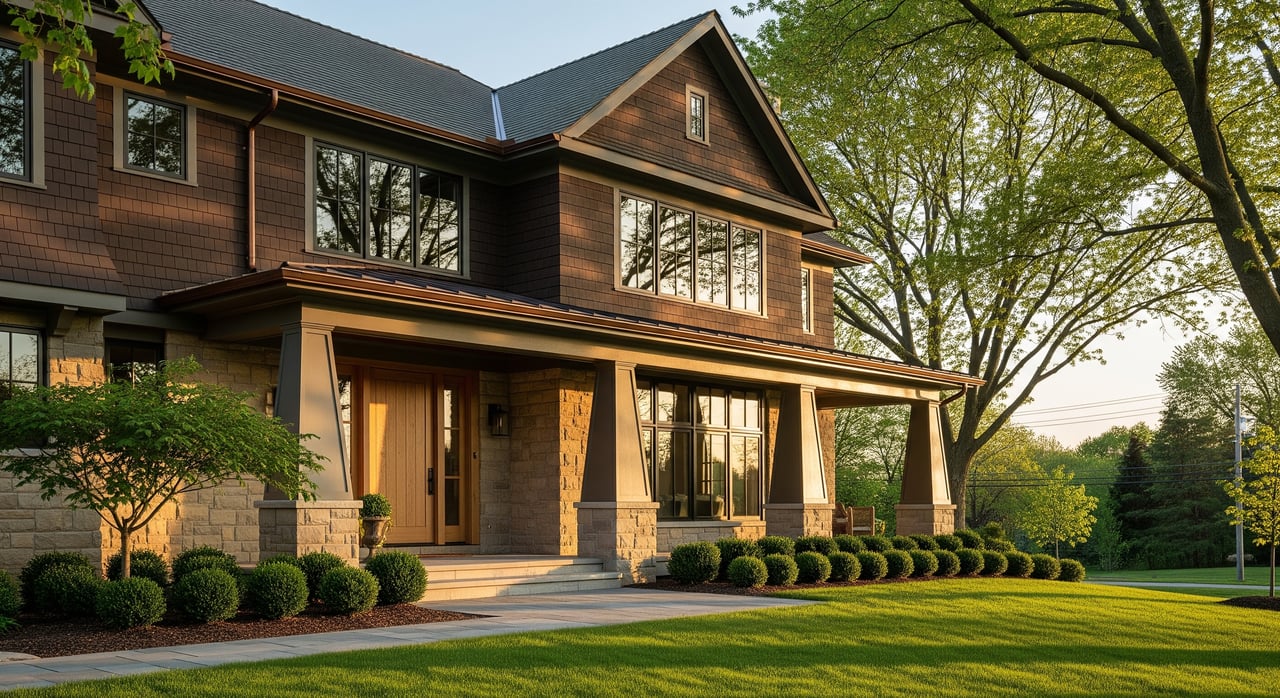
Early-1900s Craftsman and bungalow homes highlight low-pitched roofs, wide eaves with exposed rafters, and inviting front porches. You’ll see them in older, close-in neighborhoods. These homes work well for buyers who want a cozier scale and authentic woodwork with convenient access to urban amenities.
- Pros: warm character and generally smaller footprints for easier upkeep.
- Cons: tighter rooms and limited storage; may need modern kitchens and baths.
- Resale notes: Updating kitchens and bathrooms while preserving visible woodwork tends to boost marketability.
Ranch and Split-level
Postwar ranch and split-level homes are common in mid-20th-century subdivisions. Ranch homes offer single-story living, while split-levels have short stair runs that separate living zones. These options suit downsizers, families that want yards and garages, and anyone who prefers practical layouts.
- Pros: typically more affordable maintenance than larger historic homes; ranch layouts support aging in place.
- Cons: split-level stairs can be challenging for mobility; ranches may have smaller basements or less defined spaces.
- Resale notes: Kitchen and basement updates and energy improvements usually pay off. Some buyers favor more open plans, so consider layout adjustments if your budget allows.
Mid-century Modern and Contemporary Modern
Design-focused buyers are drawn to clean lines, large windows, and indoor-outdoor flow. Mid-century modern homes often have flat or low-pitched roofs and open plans, while contemporary infill brings modern finishes and high-efficiency systems. You’ll see these in select mid-century areas and newer infill spots.
- Pros: abundant natural light and striking design appeal.
- Cons: older mechanicals in mid-century examples may need upgrades; unique structures can raise renovation costs.
- Resale notes: Preserve signature design elements while upgrading insulation, windows, and systems. The style has strong appeal among design-minded buyers.
Colonial and Traditional Two-Story
Traditional two-story homes with symmetrical facades and gabled roofs show up across several eras, especially in planned neighborhoods. They suit buyers who want predictable, functional layouts with defined rooms and multiple bedrooms.
- Pros: familiar floor plans that are easy to live in and easy to sell.
- Cons: less unique curb appeal in some large subdivisions.
- Resale notes: Kitchen, bath, and curb appeal improvements tend to offer steady returns.
New Construction
New builds in Rochester include contemporary single-family homes, townhomes, and planned communities. Expect open plans, modern finishes, energy-efficient systems, and builder warranties. They fit buyers who want move-in-ready convenience and lower immediate maintenance.
- Pros: current building codes, better energy performance, and warranty support.
- Cons: some developments have smaller lots; premiums for new construction are common.
- Resale notes: Long-term value often aligns with neighborhood amenities and school assignments.
Townhomes and Condos
Attached living near downtown and in newer infill areas offers lower exterior maintenance and a lock-and-leave lifestyle. Townhomes and condos work well for professionals, smaller households, and anyone prioritizing location over yard work.
- Pros: lower maintenance, often lower price points than single-family options, and access to walkable conveniences.
- Cons: HOA fees and rules, shared walls, and sometimes limited parking.
- Resale notes: HOA financial health matters. Interior updates are your main value lever.
Manufactured, Modular, and Rural Farmhouses
Outside the city limits, you may find manufactured or modular homes and older farmhouses on larger parcels. These fit buyers seeking affordability, land, or a rural lifestyle.
- Pros: space and privacy with the potential for outbuildings or hobby uses.
- Cons: due diligence is critical for foundations, zoning, utilities, and septic.
- Resale notes: Value ties closely to lot quality, access, and condition.
Find your fit
Choosing a home style is really about matching your daily life with a practical layout, maintenance plan, and location. Use this quick guide to focus your search:
- Young professionals and singles: condos, townhomes, or smaller bungalows close to downtown for short commutes and low maintenance.
- Families: ranches with yards or traditional two-stories with multiple bedrooms in planned neighborhoods.
- Medical professionals and commuters: prioritize proximity to Mayo Clinic and quick access to arterial roads; consider townhomes or smaller single-family homes for convenience.
- Downsizers and retirees: single-level ranches or condos with minimal exterior upkeep and close access to services.
- Renovators and character lovers: Victorians, Craftsman, or farmhouses with solid bones and original details.
Practical checklist
- Accessibility: Will you need single-level living or a main-floor bedroom later on?
- Maintenance: Older homes need more care; newer builds often reduce upkeep.
- Budget for updates: Plan for kitchens, baths, HVAC, insulation, and windows, especially in older properties.
- Lot and outdoor use: Think gardening, play space, garage capacity, or a workshop.
- Commute and services: Consider access to Mayo Clinic, hospitals, groceries, schools, and transit.
- HOA rules and fees: Review documents for condos and some townhomes.
- Historic preservation: If you are eyeing an older home in a designated district, confirm exterior-change guidelines.
Local due diligence
Rochester and Olmsted County have a few key steps worth building into your process. These checks help you avoid surprises and make informed choices.
- Historic districts: Exterior changes to homes in designated areas may need review or approval. Verify requirements before you buy or renovate.
- Building permits and zoning: Confirm permit needs for additions, conversions, or major updates. Rules can differ inside city limits and in the county.
- Taxes and assessments: Look up parcel data and current tax details. City and county properties can vary.
- Utilities and sewer: Most older and infill neighborhoods use city utilities, but edge properties may have septic. Investigate service type early.
- Floodplain and drainage: Review flood maps and any local stormwater history if a property is near creeks or low-lying areas.
- Energy and mechanicals: Older homes often need insulation, window, and system upgrades. Newer homes meet modern code and usually perform better.
- HOA review: Study budgets, reserves, rules, and recent meeting notes for condos and townhome communities.
- Inspections and tests: Schedule a general inspection plus radon testing, a sewer scope for older homes, and moisture or pest checks where appropriate. Electrical and plumbing evaluations are wise for homes with aging systems.
Selling or updating by style
If you plan to sell, align updates with what buyers value in your home’s era.
- Victorians and Craftsman: Preserve visible character while updating HVAC, insulation, and kitchens or baths. Sensitive improvements can capture both charm and comfort.
- Ranch and split-level: Modernize kitchens, refresh lower levels, and invest in energy efficiency. Many buyers appreciate single-level living with a fresh, open feel.
- Mid-century modern: Keep signature lines and windows, then update systems and insulation. Authenticity plus performance is a compelling combination.
- Traditional two-story: Focus on kitchens, baths, and curb appeal. These improvements consistently attract broad buyer interest.
- Condos and townhomes: Interior finishes and lighting make a strong impact. Highlight HOA stability and amenities.
- New construction: Even newer homes benefit from thoughtful staging and minor touch-ups so the space feels move-in ready.
Ready for next steps?
Whether you are comparing downtown charm with suburban convenience or weighing a condo against a ranch, you do not have to decide alone. Our team brings concierge guidance, local service connections, thoughtful staging, and lifestyle-focused search strategies to every move. If you are buying or selling in Rochester or nearby communities, let’s start with a conversation. Connect with Cascade Group Lakes Sotheby’s International Realty to plan your next step with confidence.
FAQs
Are historic homes in Rochester more expensive to maintain?
- Typically yes. Older homes often need updates to HVAC, wiring, plumbing, and insulation, and original materials require ongoing care. Well-preserved homes in desirable areas can still command premium prices.
Do Rochester historic districts limit my remodeling plans?
- Properties in designated districts may need review for exterior changes. Interior updates are usually less restricted, but always confirm local preservation rules before you start.
How should I balance location and house style in Rochester?
- Put location first, especially commute needs, services, and the environment around the home. Style and interiors can change over time, but the lot and location cannot.
Are ranch homes in Rochester better for aging in place?
- Yes. Single-story layouts reduce stairs. Check door widths, bathroom setups, and the potential for grab bars or other accessibility features.
Is new construction around Rochester worth the premium?
- New builds offer modern systems, energy performance, and warranties that reduce short-term maintenance. Long-term value often follows neighborhood desirability and nearby amenities.
Do energy upgrades matter for resale in Rochester’s climate?
- Very much. Buyers value lower utility costs and modern HVAC and insulation. Well-planned energy improvements usually strengthen marketability.