Thinking about trading square footage for shoreline? If you own a home in Rochester and feel drawn to a simpler setup near the water, you are not alone. Downsizing toward a lake or river town can be exciting, but it also comes with real questions about timing, pricing, and how to make the move without feeling rushed. This guide will help you think through the process with more clarity, from preparing your Rochester home to planning the next step toward lake life. Let’s dive in.
Why downsizing toward the lake appeals
For many homeowners, downsizing is not just about moving into a smaller house. It is about choosing a lifestyle that better fits this next chapter. Recent National Association of Realtors data shows top reasons for selling include moving closer to friends and family and leaving a home that feels too large or too small for current needs.
That is part of why a move from Rochester to a lake or river town can feel so meaningful. You may be looking for less maintenance, easier access to outdoor recreation, and a setting that supports a slower, more connected pace of life. In southeast Minnesota, that often means communities shaped by water, scenery, and everyday access to the outdoors.
Regional destinations help paint the picture. Lake Pepin is the widest navigable portion of the Mississippi River, and nearby river towns are known for shoreline access, boating, angling, marinas, beaches, and bluff views. If your goal is to simplify while staying close to nature, that kind of move can be about quality of life as much as real estate.
What Rochester sellers should know
If you have owned your home for years, you may have more flexibility than you think. According to the National Association of Realtors, the typical seller had owned their home for 11 years, which often creates a strong equity position for the next purchase. That can be especially helpful when you are trying to coordinate a sale in Rochester with a purchase in a lake or river community.
Rochester also remains a market where preparation matters. Market snapshots vary depending on the area and data source, but current reporting points to a city market in the mid-$300,000 range, with homes still moving in a relatively active environment when they are priced and presented well. In other words, you do not want to leave your sale to chance.
Professional guidance is part of that equation. NAR reports that 91% of sellers used an agent, and common reasons included broader exposure, more competitive pricing, and access to more services. For a downsizing move, that support can be especially valuable when you are not just selling a house, but managing a full life transition.
Decide your move sequence early
One of the biggest downsizing questions is simple: should you list first, buy first, or try to do both at the same time? The right answer depends on your finances, your comfort with risk, and how quickly you expect to find the right lake or river property.
List first if you want clarity
Listing first can give you a more certain budget for your next purchase. You will know what your Rochester home attracts in the market, and you can make decisions with fewer assumptions. This approach can also reduce the risk of carrying two homes at once.
For many downsizers, this path creates the most peace of mind. It may mean moving into temporary housing or negotiating flexible timing, but it gives you firmer footing before you commit to your next home.
Buy first if the right home appears
Some buyers choose to secure the next property before selling, especially if a specific lakefront or riverfront home is hard to replace. Waterfront and lifestyle properties can be unique, so waiting may not always feel practical.
That said, buying first usually requires more planning. The Consumer Financial Protection Bureau describes bridge loans as temporary loans of 12 months or less that can help finance a new home while you plan to sell your current one within that period. CFPB also notes that buyers age 62 and older may want to ask a lender about a HECM for Purchase if they are buying a principal residence and exploring reverse mortgage proceeds as part of the plan.
Try to coordinate both if timing allows
A back-to-back move can work well, but it requires close coordination. After a purchase agreement is signed, the transaction moves through escrow, with inspections, title work, appraisal, insurance, and other steps that all need to line up before closing. As the consumer guide to the steps between signing and closing explains, this stage often takes several weeks or more.
If you are trying to sell in Rochester and close on a lake home right after, timing can be tight. A thoughtful timeline and strong communication between your agent and lender can make a big difference.
Start preparing earlier than you think
Many sellers underestimate how long listing prep will take. Realtor.com’s 2026 best time to sell report identified April 12 through April 18 as the strongest national listing week, and it noted that Midwest value markets often align with that mid-April window. Even if your exact timing differs, the larger lesson is clear: do not wait until you are almost ready to move before starting the work.
That matters because a lot of sellers move quickly once they begin. Realtor.com reports that 53% of sellers took one month or less to get their home ready to list. If you are also sorting decades of belongings and planning a downsize, it helps to begin well ahead of your ideal list date.
Focus on high-impact prep
You do not need to renovate everything. What you do need is a home that feels clean, cared for, and easy for buyers to picture themselves in.
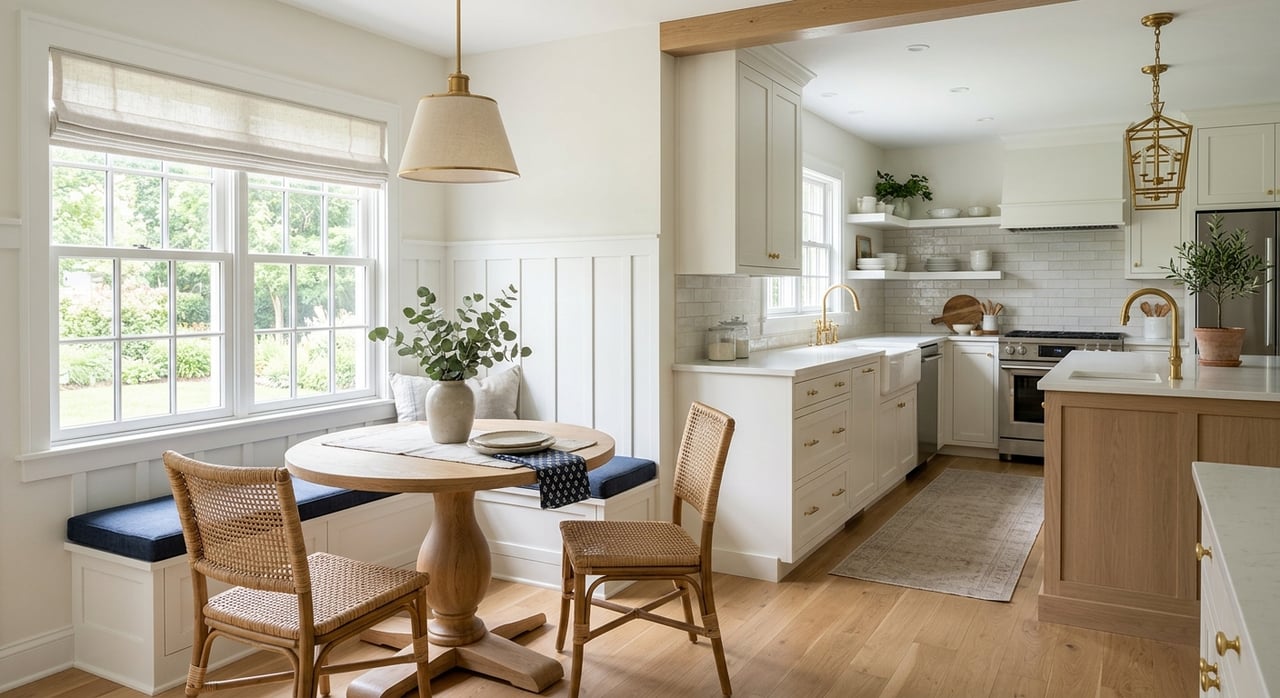
According to the NAR home staging report, 83% of buyers’ agents said staging made it easier for buyers to envision the property. The same report found that 49% of sellers’ agents said staging reduced time on market, and 29% said it increased the dollar value offered by 1% to 10%.
For most Rochester downsizing sellers, the best prep priorities are:
- Decluttering room by room
- Depersonalizing visible surfaces and walls
- Deep cleaning the entire home
- Taking care of minor repairs
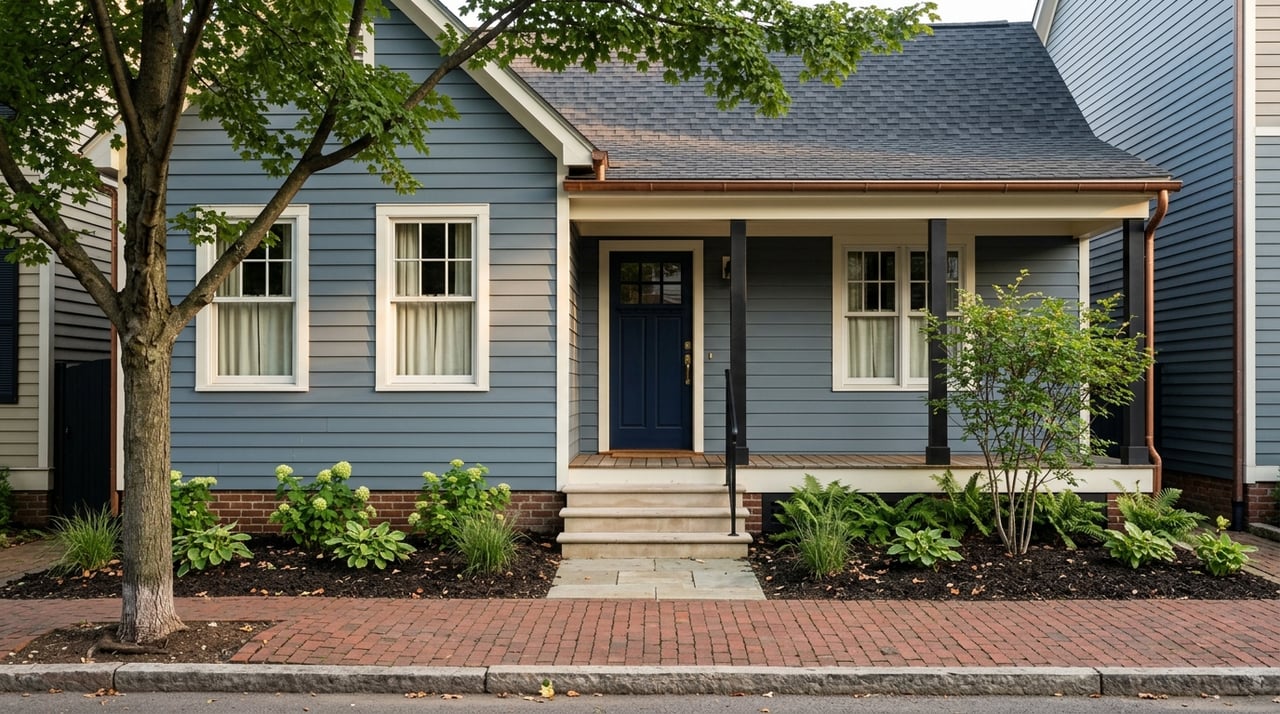
- Improving curb appeal
- Prioritizing the living room, primary bedroom, and kitchen
- Investing in professional photography
- Considering video or virtual tours if they support the marketing plan
This is where concierge-style support can help. A clear prep plan, trusted service provider connections, and thoughtful staging guidance can make the process feel much more manageable.
Price with precision, not guesswork
When you are counting on sale proceeds for your next move, pricing strategy matters. Rochester market snapshots can look a little different depending on the ZIP code, neighborhood, or data source, so it is better to think in terms of a mid-$300,000 market than to cling to one headline number.
That is why local pricing analysis matters so much. A smart list price should reflect current competition, condition, location, and buyer expectations in your specific segment of the market. The goal is not just to list. The goal is to attract serious interest without losing momentum.
Overpricing can slow your timeline at the exact moment you need clarity. For downsizers trying to line up a lake or river purchase, that delay can ripple through every other part of the move.
Plan for a timing gap
Even with careful planning, your Rochester home and your next property may not close on the same day. That does not mean your move is off track. It just means you need a backup plan before you list.
Consider a short-term financing strategy
If you find the next home before your current one sells, ask your lender what options fit your situation. Depending on your age, finances, and goals, that conversation may include a bridge loan or other temporary financing tools. The key is to understand the costs, timelines, and qualification requirements early.
Ask about a post-closing occupancy agreement
If your Rochester home sells first, you may be able to stay in the property for a short period after closing. NAR advises that any leaseback or post-closing occupancy arrangement should be in writing, that insurance should be adjusted, and that lender approval should be obtained. It also notes that many lenders will not accept leasebacks longer than 60 days.
That type of agreement can be helpful if your next lake or river home is not quite ready. Still, it is not something to leave until the last minute. It should be discussed early so everyone understands the terms.
How to avoid feeling rushed
The best downsizing moves usually start before there is any urgent deadline. If you want a smoother transition, give yourself time to make decisions in stages rather than all at once.
A simple framework can help:
- Meet with an agent to understand your likely sale price and timeline.
- Talk with your lender about budget, financing options, and timing risks.
- Start decluttering well before listing photos.
- Identify what you want in your next home and what you are ready to leave behind.
- Build a plan for temporary housing or post-closing occupancy if needed.
- List with a pricing and marketing strategy that supports your larger move.
This kind of planning helps you move with intention instead of reacting under pressure. It also creates room to focus on what you are moving toward, not just what you are leaving.
Work with a team that understands the transition
Selling a longtime Rochester home to downsize toward the lake is both practical and personal. You may be unlocking equity, reducing upkeep, and making space for a different rhythm of life. But you also need a strategy that respects the emotions, timing, and details involved.
That is where a boutique, high-touch approach can make a real difference. From market prep and staging support to tailored marketing and guidance around life-transition moves, the right team can help you move toward the water with more confidence and less stress.
If you are considering your next chapter, Cascade Group Lakes Sotheby’s International Realty can help you think through the timing, prep, and lake-life goals that shape a successful move.
FAQs
Should I sell my Rochester home before buying near the lake?
- Selling first often gives you a clearer budget and less financial risk, but the right sequence depends on your cash position, financing options, and how quickly you may find the right lake or river property.
How much should I do before listing my Rochester home?
- Focus on high-impact steps like decluttering, deep cleaning, minor repairs, curb appeal, and staging key rooms such as the living room, primary bedroom, and kitchen.
What if my new lake or river home is not ready when my Rochester home closes?
- You may want to explore a written post-closing occupancy agreement, temporary housing, or a financing strategy discussed with your lender before listing.
Is spring the best time to sell a home in Rochester?
- National 2026 data points to mid-April as a strong listing window, and Midwest value markets often track with that timing, though your ideal list date should still reflect your home, goals, and local competition.
Why does pricing matter so much for a Rochester downsizing move?
- A well-priced home can attract stronger interest and help protect your timeline, which is especially important when your sale is tied to buying a smaller home in a lake or river community.