If you are drawn to river towns with real character, Stillwater’s historic riverfront offers more than a pretty view. Day to day, this part of town blends preserved architecture, walkable streets, trails, public events, and practical routines in a way that feels both lively and livable. Whether you are thinking about a move, a second home, or simply trying to picture what life here is really like, this guide will help you understand the rhythm of the area. Let’s take a closer look.
A Riverfront Built Around History
Stillwater’s downtown is not a recreated district or a loose collection of older buildings. According to the City of Stillwater’s Downtown Commercial Historic District information, it is the city’s only historic district, and it is both locally designated and listed on the National Register of Historic Places.
That matters because the riverfront experience is shaped by preservation. The city notes that the district’s period of significance runs from the 1860s to 1911, when lumber and commerce defined downtown. It also identifies the surrounding bluffs, ravines, and river edge as part of the broader cultural landscape, which means the setting and the built environment are meant to be understood together.
For you as a buyer or homeowner, that creates a sense of place that feels unusually intact. Stillwater’s riverfront is scenic, but it is also structured by long-term stewardship, which helps explain why everyday life here feels distinct from newer downtown districts.
Daily Life Feels Walkable
One of the biggest draws of the riverfront is how much is concentrated in a compact area. The city’s self-guided downtown walking tour covers 14 sites in about 1.5 to 2 hours, with stops tied to Lowell Park, Water Street, Main Street, and the lift bridge.
That compact layout supports a lifestyle where quick outings can feel enjoyable instead of inconvenient. You can picture grabbing coffee, meeting friends for lunch, strolling along the river, or browsing downtown without needing a full-day plan.
The business mix reinforces that pattern. Discover Stillwater’s downtown guide describes Historic Main Street as home to more than 100 locally owned shops and restaurants open year-round, along with galleries, boutiques, home décor stores, breweries, riverboats, patios, and a museum.
Arts Add to the Routine
Stillwater’s downtown is not only about dining and shopping. The same downtown guide highlights murals, painted utility boxes, rotating gallery shows at the library, ArtReach St. Croix, and the River City Sculpture Tour.
That gives the area an arts-corridor feel woven into normal daily life. Instead of art being limited to one venue or one event, it shows up as part of a walk, an errand, or an evening downtown.
For people who value a lifestyle setting, that can make a real difference. It adds variety and texture to the riverfront without making it feel overly programmed.
The Lift Bridge Shapes the Experience
The Stillwater Lift Bridge is one of the most recognizable features of the city, but it also plays a practical role in daily life. Built in 1931, it was added to the National Register of Historic Places in 1989, closed to regular vehicle traffic in 2017, and reopened in 2020 for pedestrians and bicycles.
Today, it connects into the Loop Trail between Minnesota and Wisconsin. That means crossing the St. Croix is not just a scenic activity for visitors. It is part of the everyday walking and biking network.
For residents, this changes the way the riverfront functions. The bridge becomes part of your routine, whether you are taking a morning walk, heading out for a bike ride, or simply enjoying the waterfront from a different vantage point.
Trails Keep Life Active Year-Round
Stillwater’s outdoor appeal extends beyond downtown sidewalks. The city’s trails information notes that Brown’s Creek State Trail is 5.9 miles long, generally level, and connects the Gateway State Trail in Grant to the St. Croix National Scenic Riverway in Stillwater.
The city also notes that this trail connects into local park and trail systems. For you, that supports a lifestyle where outdoor movement can be part of ordinary life rather than something saved for weekends.
This is especially important in a four-season community. Even when the busiest festival months pass, the trail network and pedestrian access help keep the riverfront useful and engaging.
Summer Brings Energy Downtown
Stillwater’s event calendar helps define the social rhythm of the riverfront. According to Discover Stillwater’s 2026 event preview, the city hosts spring and summer races, Cruisin’ on the Croix, a food-truck festival, Fourth of July fireworks, Summer Tuesdays, Lumberjack Days, Opera on the River, the Rivertown Fall Art Festival, and Harvest Fest.
The same page describes Lumberjack Days as a 92-year tradition, which speaks to how deeply public events are woven into local identity. In the warmer months, downtown tends to feel especially active, with repeated festivals, live events, and riverfront gatherings.
If you are considering living nearby, that seasonal energy is worth understanding. Summer can feel vibrant and social, with more activity centered around streets, parks, patios, and the waterfront.
Winter Has Its Own Rhythm
Stillwater does not go quiet when temperatures drop. The Hometown for the Holidays event listing shows that winter brings four weekends of seasonal programming, including luminary nights, tree lighting, Santa arriving by fire truck, and holiday fireworks at Chestnut Plaza near the lift bridge.
That creates a different pace from summer, but not an empty one. The off-season appears to shift toward lights, short strolls, window-shopping, and festive downtown moments rather than patios and large outdoor festivals.
For many buyers, that balance matters. A place that stays publicly active in winter can feel more like a real community and less like a destination that depends on one season.
Dining and Patios Shape Everyday Choices
The riverfront lifestyle is also shaped by simple choices about where to spend your time. Discover Stillwater highlights rooftop and river-view patios downtown and notes that some venues are seasonal while others, such as Charlie’s, offer year-round river-view patio space.
That variety supports different routines across the year. In summer, outdoor dining naturally becomes part of downtown life. In colder months, the options narrow, but the riverfront still offers places where the setting remains part of the experience.
For buyers comparing lifestyle-oriented communities, details like this often matter more than broad marketing language. They help answer the practical question of what you are likely to do on a normal Tuesday, not just on a holiday weekend.
Parking Is Part of Real Life
A walkable downtown still needs practical access, and Stillwater has a defined parking system. The city’s downtown parking information says the core of Main Street has free 90-minute parking, blocks west of Main offer free four-hour on-street and public-lot parking, and the river side of Main includes paid on-street parking, paid lots, and a paid ramp one block west.
For residents and regular visitors, this is part of the everyday equation. The downtown core is navigable, but understanding parking rules can shape how you run errands, meet guests, or spend time near the river.
The same city page also lists winter side-of-street parking restrictions from November 1 through April 1 for snow removal. That is the kind of practical detail worth knowing if you are thinking seriously about living close to the historic core.
Homes Reflect Preservation and Older Fabric
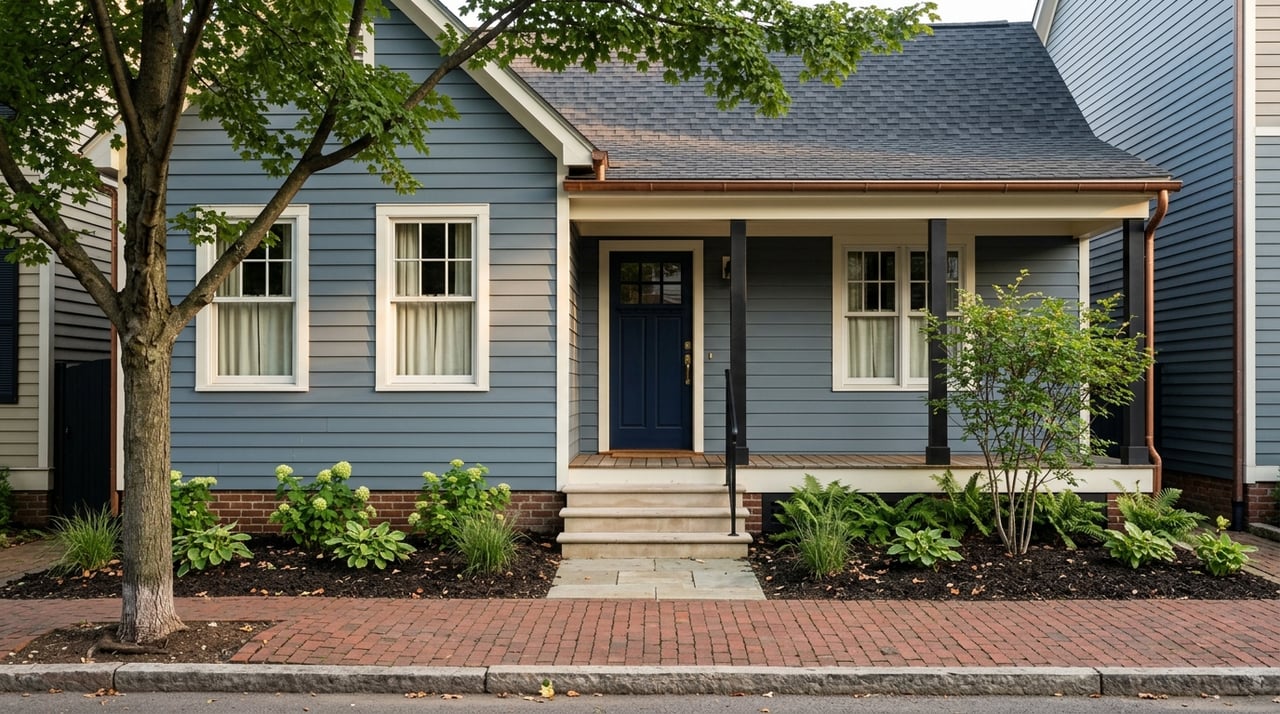
Living near the riverfront often means living with the character and responsibilities of an older community. The city’s South Hill walking tour describes Stillwater as a place filled with historic homes and notable architecture, with routes focused on some of the city’s finest residential examples.
The city also recognizes historic structures through its Heirloom Homes and Landmark Sites program and says the Neighborhood Conservation District was created to preserve traditional neighborhood fabric while supporting a diverse and affordable range of homes. That suggests the areas near downtown are shaped by long-standing design patterns rather than rapid change.
If you are considering a purchase near the historic core, it is also important to know that exterior changes in the downtown historic district can require design permits. Preservation is not just a branding point here. It is part of how the area is actively managed.
A Broader Look at Stillwater Housing
Citywide data adds useful context if you are trying to understand the market beyond the riverfront blocks themselves. According to the U.S. Census Bureau QuickFacts for Stillwater, the city had an estimated population of 19,386 in July 2024 and 8,078 households.
The same source reports a 76.7% owner-occupied housing rate, a median owner-occupied home value of $414,200, and a median gross rent of $1,622. These figures are citywide, not riverfront-specific, but they do suggest an established housing market with both owner-occupied homes and a meaningful rental segment.
For you, the takeaway is less about one exact price point and more about market character. Stillwater appears to offer a stable residential base alongside its active downtown identity.
What Everyday Life Really Feels Like
Taken together, Stillwater’s historic riverfront feels like a preserved downtown that still functions as part of everyday community life. You have scenic views and a strong sense of history, but you also have trails, events, dining, art, parking systems, and neighborhoods that support year-round living.
That combination is not always easy to find. Some river towns feel beautiful but sleepy, while others feel active but disconnected from their past. Stillwater stands out because preservation, access, and daily use seem to work together.
If you are looking for a home that supports a lifestyle rooted in place, the riverfront and surrounding neighborhoods offer a lot to think about. And if you want help weighing what that lifestyle looks like from one block to the next, Cascade Group Lakes Sotheby’s International Realty can help you explore Stillwater with a thoughtful, local perspective.
FAQs
What is daily life like in Stillwater’s historic riverfront?
- Daily life near Stillwater’s riverfront blends walkable downtown access, local shops and restaurants, trails, public art, seasonal events, and a strong sense of historic character.
Is downtown Stillwater a protected historic district?
- Yes. The City of Stillwater says the Downtown Commercial Historic District is the city’s only historic district, and it is both locally designated and listed on the National Register of Historic Places.
Can you walk or bike across the Stillwater Lift Bridge?
- Yes. The city says the Stillwater Lift Bridge reopened in 2020 for pedestrians and bicycles and is part of the Loop Trail connection between Minnesota and Wisconsin.
Are there trails connected to downtown Stillwater?
- Yes. The city says Brown’s Creek State Trail connects into local park and trail systems, and the lift bridge is part of the pedestrian and bicycle network.
Does Stillwater’s riverfront stay active in winter?
- Yes. Winter events such as Hometown for the Holidays bring seasonal activities like luminary nights, tree lighting, and holiday fireworks near the riverfront.
What should buyers know about homes near downtown Stillwater?
- Buyers should understand that many nearby homes reflect older neighborhood fabric and preservation priorities, and some exterior changes in the downtown historic district can require design permits.
What are the current citywide housing figures for Stillwater?
- The U.S. Census Bureau reports that Stillwater had an estimated 2024 population of 19,386, 8,078 households, a 76.7% owner-occupied housing rate, a median owner-occupied home value of $414,200, and a median gross rent of $1,622.