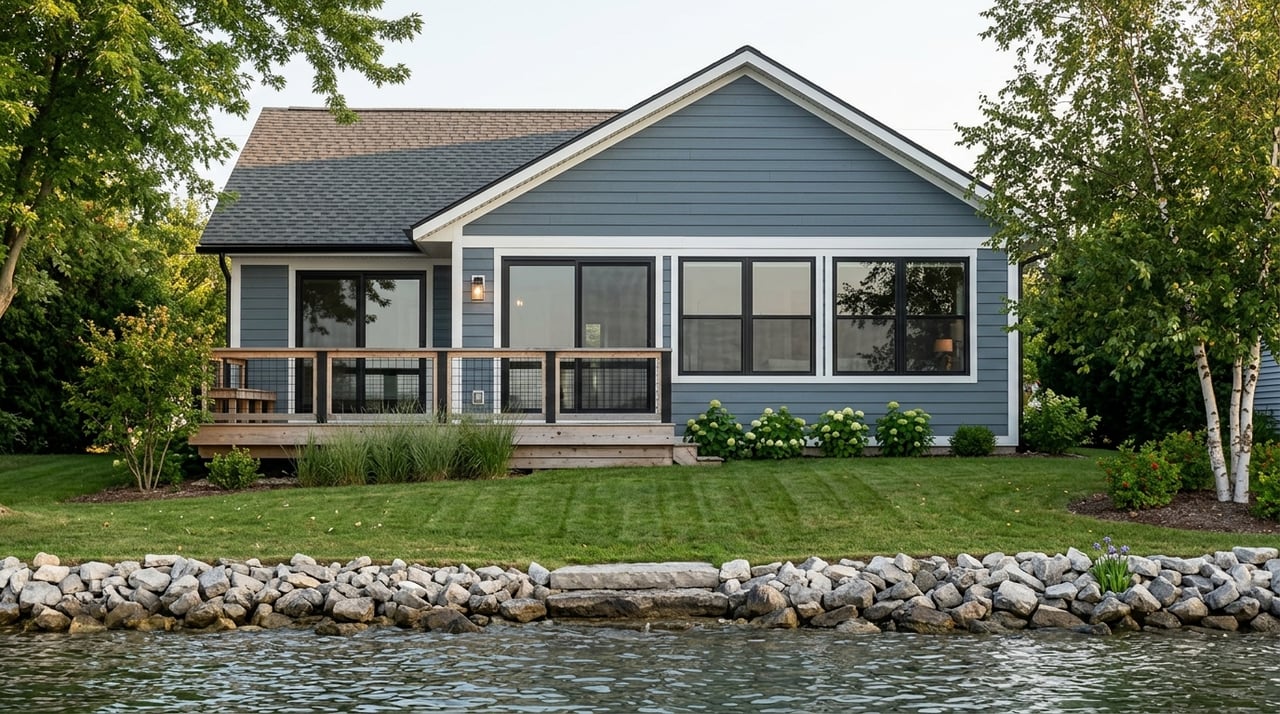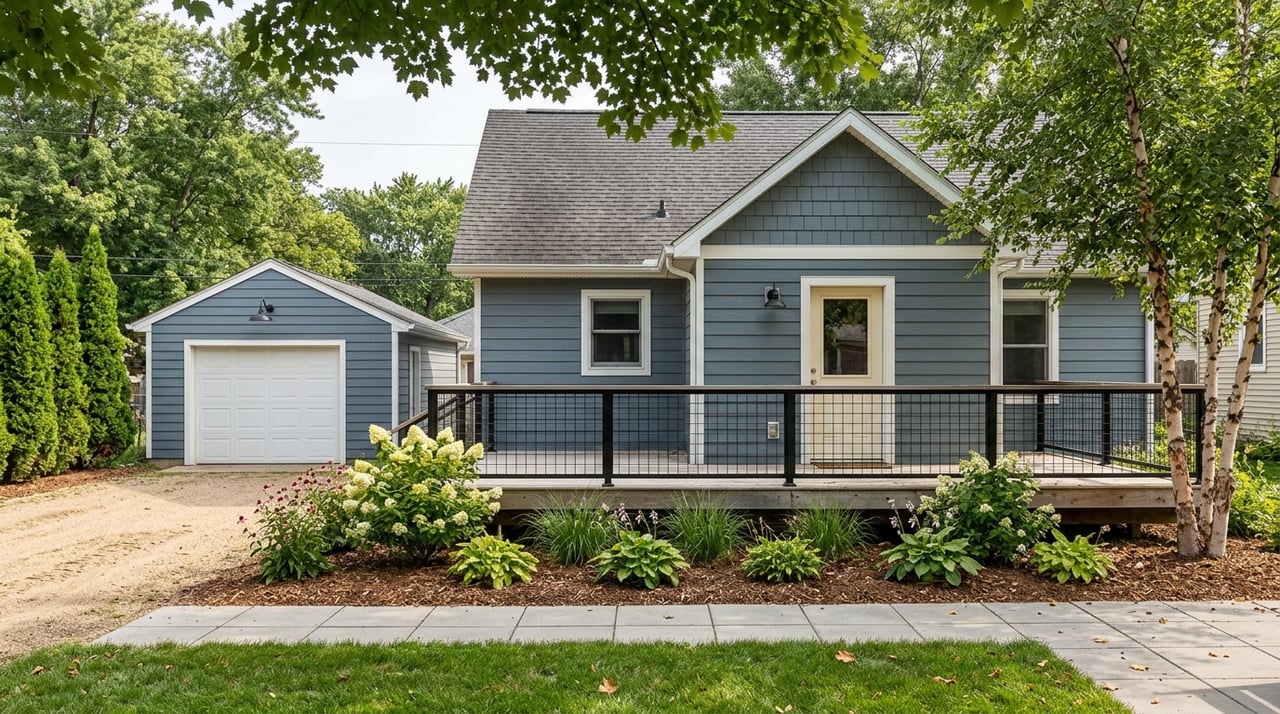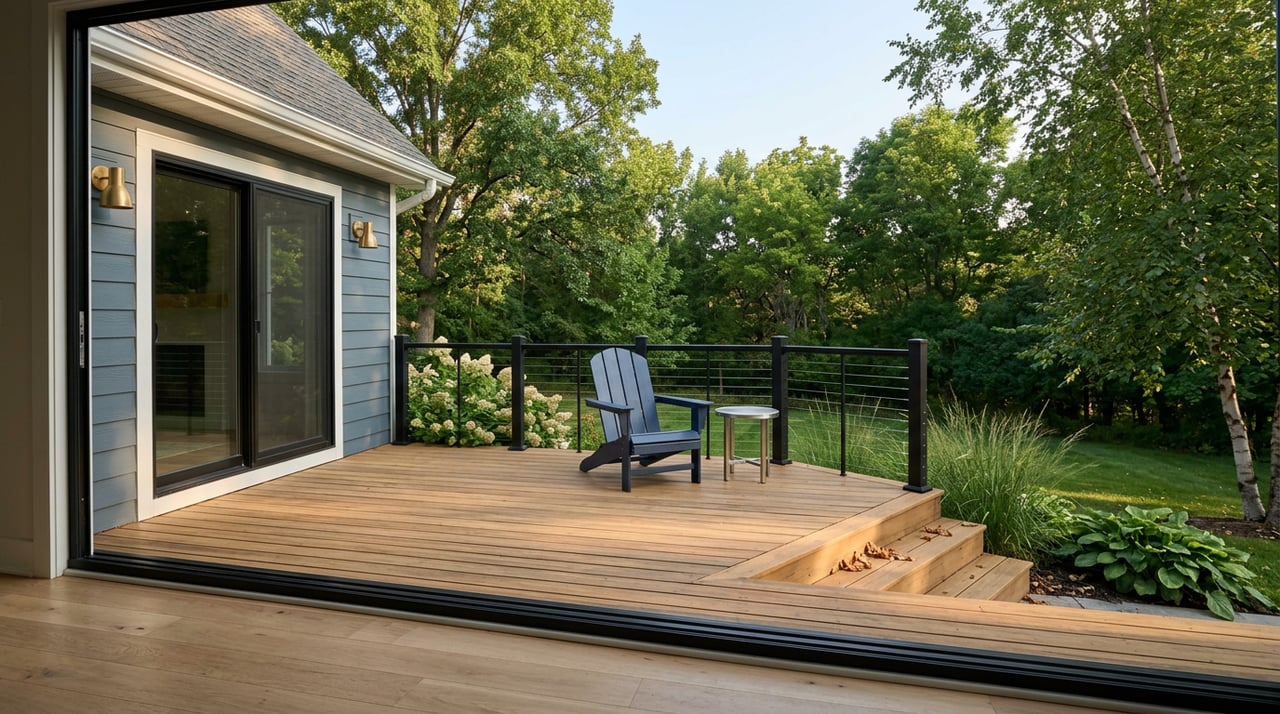
What makes a vacation home feel like a smart move instead of an expensive maybe? In a place like Wabasha, that answer often comes down to how you want to spend your time, not just what the numbers look like on paper. If you are thinking about buying a second home here, you need a clear view of the lifestyle benefits, the real costs, and the local rules that come with ownership. Let’s dive in.
Why Wabasha Draws Second-Home Buyers
Wabasha offers something many buyers want from a getaway home: a setting that feels different from everyday life, but is still practical enough to use often. According to the City of Wabasha parks master plan, the city sits on the Mississippi River in southeastern Minnesota, about 70 miles southeast of St. Paul and between Red Wing and Winona.
That location supports the kind of weekend and seasonal use that makes a second home worthwhile. The city highlights river access, bluff views, wildlife, and a strong recreation scene that includes two marinas, a public beach, more than 20 boat launches, over 50 miles of water trails, golf, hiking, and skiing. The same report also notes that the National Eagle Center brings more than 80,000 visitors each year.
For many buyers, that is the real appeal. A Wabasha vacation home can give you a repeatable escape close to the water, close to outdoor recreation, and close enough for regular use.
When a Vacation Home Makes Sense
A second home usually works best when you plan to use it consistently. If you picture long summer weekends, fall color trips, winter eagle watching, or extended seasonal stays, Wabasha has the kind of year-round setting that can support that lifestyle.
It also helps if you value personal use more than pure investment performance. Based on the city’s amenity profile and visitor appeal, Wabasha is well suited for buyers looking for a river-town retreat they will actually enjoy, rather than a property they expect to function mainly as an income machine.
That distinction matters. If your main goal is lifestyle, flexibility, and creating a place to return to, a Wabasha vacation home may be a smart fit.
When You Should Pause
A vacation home may be less compelling if you need it to solve a primary housing need or carry itself mostly through rental income. Second homes come with ongoing costs whether you are there or not, and those costs can feel heavier if your use is occasional.
You should also slow down if you are counting on primary-residence tax treatment. In Minnesota, homestead classification requires the owner to occupy the property as a sole or primary residence, so a vacation home typically will not qualify for homestead-related benefits.
If you want the property mostly for personal enjoyment and you can comfortably manage the carrying costs, the math may still work well for you. But if you need tax advantages tied to a primary home, or you need strong rental income to justify the purchase, it is worth taking a closer look before moving forward.
Understand Second-Home Financing Basics
Before you buy, it helps to know how lenders generally define a second home. Under Fannie Mae occupancy rules, a second home must be occupied by the borrower for some part of the year, be a one-unit dwelling, be suitable for year-round occupancy, remain under the borrower’s exclusive control, and not be a rental property or timeshare.
Those rules shape what kinds of homes and ownership plans may qualify. Fannie Mae also notes that some second-home loans have loan-level price adjustments, which can affect your costs compared with financing a primary residence.
That means you should ask early whether the property fits second-home guidelines as-is. Year-round usability, occupancy plans, and property type all matter.
Budget Beyond the Purchase Price
The mortgage is only one part of the picture. The Consumer Financial Protection Bureau notes that buyers should also plan for closing costs, moving costs, furniture, repairs, and home improvements.
For a second home, those extra costs can add up quickly, especially if the property needs updates to support seasonal or year-round use. You may also face mortgage insurance on some loans if you do not put 20% down, and the IRS explains in Publication 936 that the mortgage insurance premium deduction has expired.
A simple way to think about it is this: can you carry the home comfortably during the months when you are using it less? If the answer is yes, you are looking at the decision in the right way.
Tax Issues to Review Early
Tax planning should be part of your decision before you close, not after. According to IRS Publication 936, mortgage interest may be deductible on a main home or second home if the loan is secured by a qualified home and you itemize deductions.
The same IRS publication says home-equity loan interest is deductible only when the funds are used to buy, build, or substantially improve the home that secures the loan. If you are thinking ahead about renovations, dock improvements, or updates for year-round use, this is worth discussing with your tax professional.
The key point is simple: second-home tax treatment can be helpful, but it comes with specific rules. It is best to confirm how those rules apply to your situation before you count on any deduction.
Renting It Out Changes the Equation
Some buyers like the idea of enjoying the home personally and renting it occasionally to offset costs. That can be possible, but it should not be treated as automatic or simple.
The IRS says that if a second home is rented part of the year, you must also use it as a home during the year and meet the more-than-14-days or more-than-10%-of-rental-days personal use test to keep second-home treatment under Publication 936.
At the local level, Wabasha has its own short-term rental rules. The city states that homes rented for fewer than 30 days must complete short-term rental registration, pay a one-time $200 fee per unit, and re-register if the property is sold. The city also applies a 3% lodging tax to transient lodging stays of fewer than 30 days.
There may also be state-level requirements. The Minnesota Department of Health lodging program says vacation home rentals are licensed as a hotel or motel-type use.
So yes, occasional rental potential may be part of the appeal. But compliance, licensing, and tax filings should be part of your planning from the start.
Wabasha Flood Risk Matters
In a river town, the location that gives a property its charm can also shape its risk profile. The City of Wabasha parks master plan notes that the Mississippi River and Zumbro Slough are major assets, while also stating that the city is prone to frequent flood events, with much of the parkland in the 100-year floodplain and most of the city in the 500-year floodplain.
That does not mean every property is a poor choice. It does mean you should verify the parcel’s flood zone, drainage considerations, and insurance needs before you close, especially for waterfront or low-lying homes.
This is one of the biggest reasons local guidance matters. A beautiful setting should always be matched with a clear understanding of site-specific conditions.
Winter Ownership Takes Planning
Minnesota winters are part of the deal with any second home in this region. The University of Minnesota Extension notes that winters can be very cold and can raise heating costs, which matters even more when a home may sit empty between visits.
The National Weather Service also warns that winter is when carbon monoxide is more likely to accumulate indoors because homes are sealed and heating systems are in use. For a lightly used property, that makes carbon monoxide alarms, furnace maintenance, and winter readiness especially important.
A practical second-home winter plan may include:
- Monitoring indoor heat during vacant periods
- Winterizing plumbing when needed
- Checking smoke and carbon monoxide detectors
- Watching for ice dams or moisture issues
- Scheduling regular maintenance after long absences
If you are realistic about winter upkeep from day one, ownership will feel much smoother.
Questions to Ask Yourself First
Before you buy a vacation home in Wabasha, ask yourself a few honest questions:
- How often will you realistically use the property?
- Is the home suitable for year-round occupancy?
- Can you comfortably cover mortgage, insurance, utilities, and maintenance even when you are away?
- Do you want occasional rental income, and are you willing to follow local and state requirements?
- Has the property’s flood exposure and insurance profile been fully reviewed?
- Are you comfortable giving up homestead-related tax treatment that applies to a primary residence?
If your answers point toward regular personal use, long-term enjoyment, and solid financial breathing room, Wabasha can be a very smart second-home market to explore.
So, Is a Wabasha Vacation Home a Smart Move?
For many buyers, yes, especially if you want a real retreat instead of a purely financial play. Wabasha offers river access, scenery, recreation, and a pace that can make weekend trips and seasonal stays feel worthwhile throughout the year.
The smartest purchases tend to be the ones made with clear expectations. If you plan to use the home often, understand second-home financing, prepare for winter upkeep, and review flood and rental rules carefully, a vacation home here can support the lifestyle you are truly looking for.
If you want guidance tailored to riverfront and lifestyle property decisions in this part of southeast Minnesota, Cascade Group Lakes Sotheby’s International Realty can help you evaluate fit, risk, and long-term value with a local, concierge-style approach.
FAQs
Is a Wabasha vacation home better for personal use or investment?
- Based on Wabasha’s recreation amenities and tourism appeal, it is generally best viewed as a personal getaway first, with rental potential being a secondary consideration.
Do second homes in Wabasha qualify for Minnesota homestead tax benefits?
- Usually no. Minnesota homestead classification requires the owner to occupy the property as a sole or primary residence.
Can you use rental income from a Wabasha vacation home?
- You may be able to rent the property, but local registration, lodging tax rules, and state lodging requirements should be reviewed before you rely on rental income.
What should you check before buying a riverfront home in Wabasha?
- You should review the parcel’s flood zone, drainage, insurance needs, year-round usability, and winter maintenance requirements before closing.
What counts as a second home for mortgage purposes?
- Fannie Mae says a second home must be a one-unit dwelling occupied by the borrower for part of the year, suitable for year-round occupancy, under the borrower’s exclusive control, and not a rental property or timeshare.
What extra costs come with owning a vacation home in Wabasha?
- Beyond the mortgage, you should plan for closing costs, insurance, utilities, heating, repairs, furniture, seasonal maintenance, and winterization-related expenses.