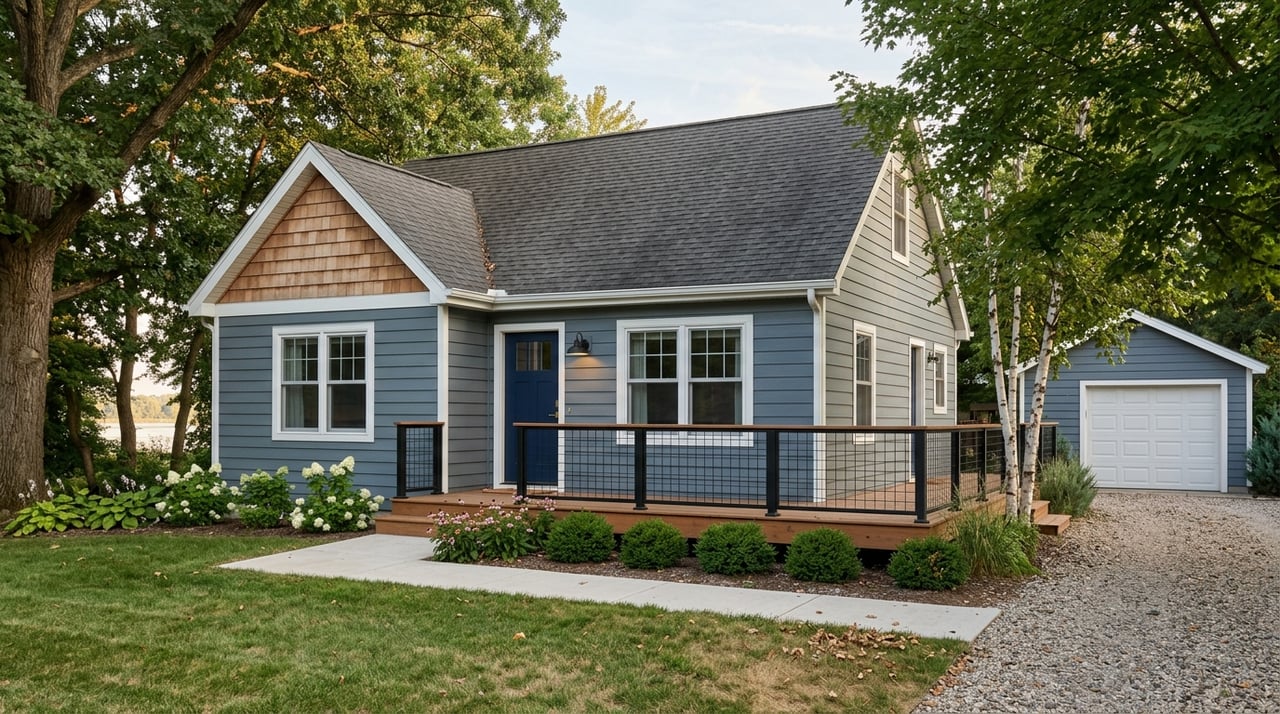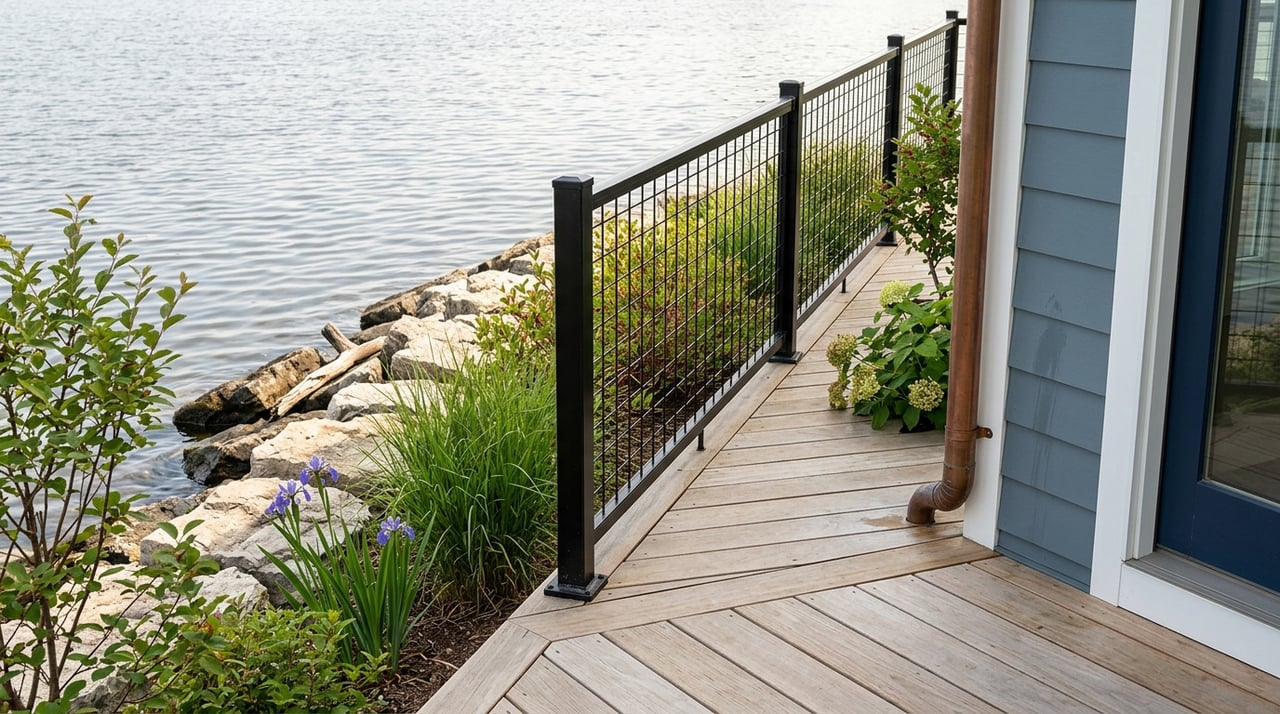
Wondering when to list your Lake City waterfront home and what to do first? If you want to attract serious buyers and avoid last-minute surprises, timing and preparation matter even more on Lake Pepin than they do with a standard home sale. The good news is that with the right steps, you can position your property to show its full value, protect your timeline, and market the lifestyle buyers are really shopping for. Let’s dive in.
Why timing matters in Lake City
Selling a waterfront home in Lake City is not just about putting a house on the market. You are also presenting access to Lake Pepin, which the Minnesota DNR describes as the widest navigable portion of the Mississippi River and a 29,295-acre lake stretching 21 miles. That means buyers are often evaluating both the home itself and the waterfront experience that comes with it.
Lake City’s seasonal appeal also shapes buyer interest. Local tourism materials highlight spring and summer as prime times for boating, fishing, beach time, and other open-water recreation. For many sellers, that makes late winter and early spring the ideal window to begin preparing, so the home can launch when the shoreline, views, and outdoor spaces are easiest to appreciate.
Start prep in late winter
If you hope to list in spring, start your prep work in late winter. Realtor.com’s 2026 analysis found that 53 percent of sellers took one month or less to get ready, and waterfront homes often need more coordination than a typical property. Giving yourself a head start can reduce stress and create room for documentation, photography, and any needed cleanup.
This early timeline is especially helpful if your property has shoreline features, seasonal docks or lifts, or outdoor living areas that need attention before photos and showings. It also gives you time to verify details with local officials if there are questions about improvements near the water. In a waterfront sale, smooth prep often leads to a smoother listing period.
Best listing window for Lake Pepin homes
For many Lake City sellers, the strongest listing window is spring into early summer. Open water, fresh landscaping, and visible shoreline access help buyers understand what makes the property special. That visual difference can be important when buyers are comparing a lakefront home with other lifestyle properties.
National timing data identified the week of April 12 to 18 as the best week to list in 2026, but local conditions matter more than any one national date. In Lake City, your best timing depends on how quickly you can prepare the home, whether open-water photography is available, and whether the property’s best features show well in current conditions. A well-prepared listing usually beats a rushed one.
Price with waterfront comps, not county averages
It is tempting to start with broad market numbers, but waterfront pricing needs a narrower lens. Minnesota Realtors reported a March 2026 median sales price of $300,000 in Wabasha County and $350,000 statewide. Those figures are useful background, but they combine many property types and do not isolate Lake Pepin waterfront homes.
A Lake City waterfront home should be priced using recent waterfront comparables whenever possible. Shoreline quality, water access, floodplain status, and the scarcity of similar sales can all affect value. In other words, a lakefront property is not just another house in the county, so the pricing strategy should reflect that.
Verify shoreland and floodplain details early
One of the most important steps in selling a Lake City waterfront home is confirming property details before you list. In Minnesota, shoreland rules are administered through local zoning, and local ordinances can be more restrictive than statewide standards. In Wabasha County, shoreland regulations address parcel size, water frontage, shoreline alteration, and sanitary facilities near protected waters.
That matters if you have made changes near the shoreline or if buyers are likely to ask about them. Decks, retaining walls, shoreline armoring, accessory structures, septic-related work, and floodplain questions should all be reviewed early. When you know what is documented and what is allowed, you can market the home more clearly and avoid confusion during negotiations.
Prepare the shoreline carefully
Waterfront buyers pay close attention to the shoreline itself. The Minnesota DNR emphasizes maintaining or restoring natural vegetation because it helps hold soil, slow runoff, filter nutrients, and protect water quality. The same guidance notes that only limited clearing is allowed in shoreland areas for a water view and access paths.
For sellers, the goal is a shoreline that looks clean, usable, and well cared for without appearing over-cleared or heavily altered. That often means trimming, tidying, and documenting what already exists rather than making last-minute changes. If you are unsure whether a shoreline update is allowed, verify first and act second.
Gather disclosures before you list
A complete disclosure package helps buyers feel informed and can keep your transaction moving. Minnesota requires a written general disclosure of known material facts that could adversely and significantly affect a buyer’s use or enjoyment of the property. The state also requires written disclosure about known wells and written radon disclosure in residential transfers, along with a copy of the state radon publication.
If your home was built before 1978, lead-based paint disclosure rules also apply. These items are important in any sale, but they often carry extra weight with waterfront and seasonal properties because buyers may ask more questions about maintenance, utilities, and environmental conditions. Having records ready shows that you have taken the process seriously.
Pre-listing document checklist
- Seller’s property disclosure statement with known material issues
- Well status and location information, if a well exists on the property
- Radon test results, mitigation records, and the required state radon information
- Lead-based paint disclosure materials if the home was built before 1978
- County or city confirmations for shoreline work, floodplain status, septic questions, and permitted alterations
Stage the features waterfront buyers want
Waterfront homes sell differently because buyers are often imagining how they will use the property. They want to see where they will relax, entertain, store gear, and enjoy the view. That means your prep and staging should go beyond the interior.
Focus on the areas that support waterfront living:
- View corridors from main living spaces
- Shoreline presentation and visible water access
- Dock or lift access, if applicable
- Decks, patios, and outdoor entertaining areas
- Entry points that make the property feel easy to enjoy
Inside the home, keep the look light, clean, and simple so buyers notice the setting rather than distractions. Outside, make sure paths are neat and access points are easy to understand. Accurate presentation matters, especially when shoreline features are part of a regulated area.
Use photography that captures the full lifestyle
Professional visuals are especially important for Lake City waterfront listings. If you list during spring or summer, photos should highlight open water, shoreline condition, and outdoor living areas. Buyers often decide whether a waterfront property is worth visiting based on how clearly the listing shows its setting.
If you are listing in the off-season, seasonal images can still help tell the story. Summer photography, aerial views, and detailed shoreline shots can give buyers a better sense of how the property functions when weather conditions are less favorable. That kind of visual planning can be especially helpful for second-home and regional buyers who may not know the area as well as local buyers do.
Plan for more detailed showings
Showings at a waterfront home tend to involve more questions and more moving parts. Buyers may want to inspect shoreline stability, outdoor space, access to the water, and any features that affect how the property can be used. Weather and seasonal conditions can also affect what is visible and how easily buyers can explore the property.
Because structures in shoreland areas must be set back from the ordinary high water level, and local officials verify what is allowed on a specific property, buyers may also ask detailed questions about setbacks or previous improvements. Being prepared with documentation and a clear showing plan can make these conversations much easier. In many cases, that preparation helps buyers feel more confident about making an offer.
Why local expertise matters
A Lake City waterfront sale calls for more than a standard listing approach. You need pricing that reflects the waterfront submarket, marketing that highlights the right lifestyle details, and guidance that accounts for local shoreland and floodplain considerations. That combination can be hard to manage without local knowledge.
This is where a boutique team with waterfront experience can make a real difference. From concierge market prep to tailored marketing and local service connections, the right support can help you present the property accurately and attract the buyers most likely to value it. For a unique home on Lake Pepin, that level of care matters.
If you are thinking about selling your Lake City waterfront home, Cascade Group Lakes Sotheby’s International Realty can help you build a smart timeline, prepare the details that matter, and bring your property to market with thoughtful, elevated exposure.
FAQs
When is the best time to sell a Lake City waterfront home?
- For many sellers, late winter prep followed by a spring or early summer listing gives buyers the best view of open water, shoreline access, and outdoor living spaces.
What should you clean or stage before listing a Lake Pepin waterfront property?
- Focus on shoreline presentation, view corridors, water access, docks or lifts if applicable, and outdoor entertaining spaces, while staying within local shoreland rules.
What documents do you need to sell a waterfront home in Lake City, MN?
- Sellers should be ready with a general property disclosure, well information if applicable, radon disclosure materials, and lead-based paint disclosure materials if the home was built before 1978.
Why is pricing a Lake City waterfront home different from pricing a standard house?
- Waterfront value depends on factors like shoreline condition, water access, floodplain status, and limited comparable sales, so county-wide median prices are only a starting point.
Why does a local Lake City listing agent matter for waterfront sales?
- A local agent can help you navigate pricing, marketing, disclosures, and questions tied to shoreland and floodplain rules so your listing is presented clearly and accurately.